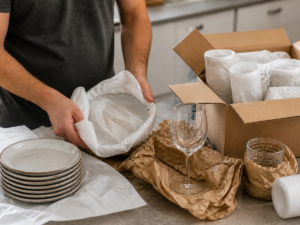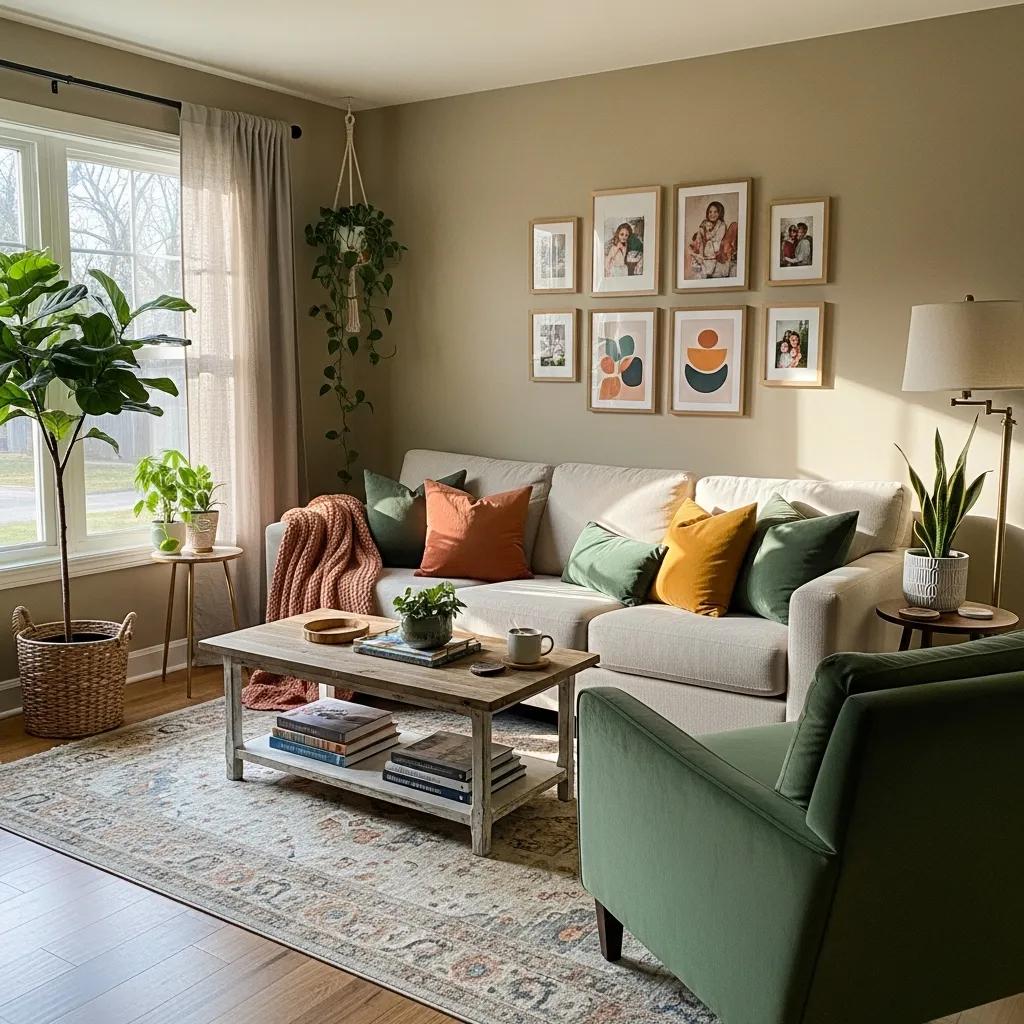
Moving into a new home is exciting, but once the boxes are unpacked, many homeowners feel unsure about how to bring each room together. Blank walls, empty corners, and unfamiliar layouts can make even a beautiful space feel unfinished. Knowing the right post-move tips for decorating new home spaces helps you transition from simply settling in to creating a home that feels personal and cohesive.
Instead of rushing to fill every area, thoughtful planning allows you to define each room’s purpose, establish a color palette, and layer furniture and décor in a way that feels balanced. Taking time to measure, edit, and prioritize key pieces prevents clutter and costly mistakes.
With a clear approach, decorating your new home becomes less overwhelming and more intentional, turning your fresh start into a space that truly reflects your style and lifestyle.
Decorating New Home Rooms Right After Moving In
How Can You Plan Your Home Decor After Moving?
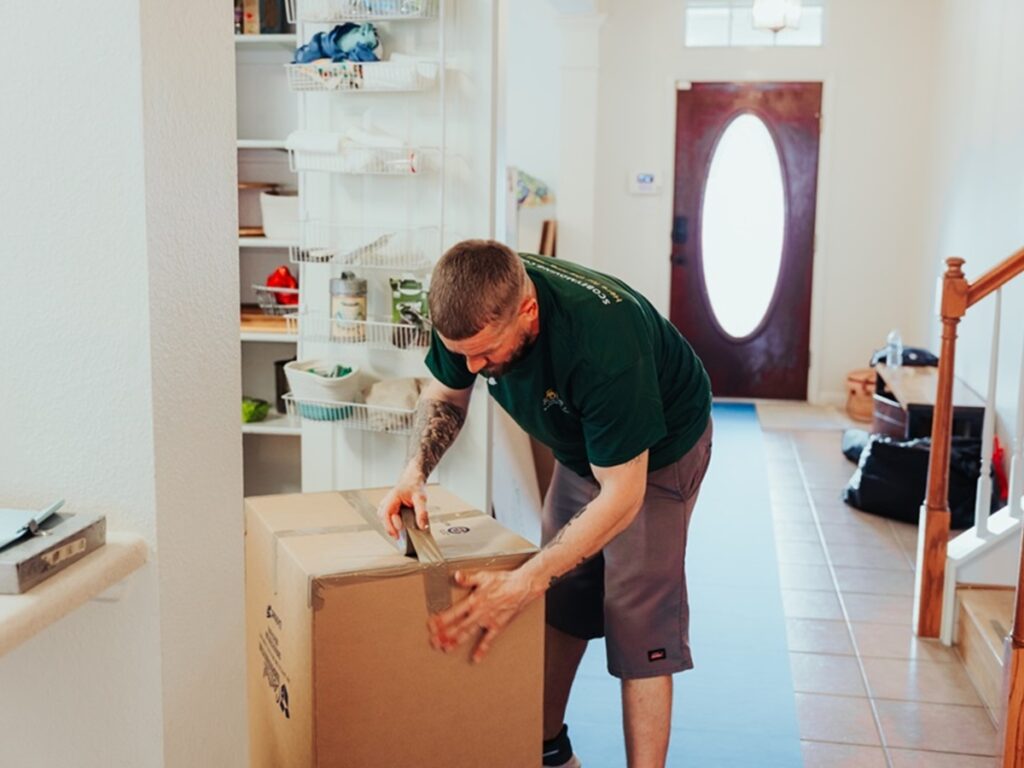
Moving into a new place can feel like a blank slate, but it can also feel chaotic when everything is still in boxes. The easiest way to approach decorating new home spaces is to treat it like a short project instead of a single weekend task.
Start with function, then layer in style. When your daily routines work, the space will already feel better, and your decor choices will be easier to make because you are reacting to how you actually live in the home.
A good first step is to walk through the home with fresh eyes before you commit to anything big. Pay attention to the natural light, the way you move through each room, and what you notice first when you walk in.
This quick “layout check” helps you avoid buying items that look great online but do not fit the room’s scale or flow. It also keeps decorating new home areas from turning into impulse shopping that creates clutter instead of comfort.
As you unpack, give yourself permission to take it room by room. A slow rollout usually creates a more cohesive look because you can see what you already own, what you truly need, and what styles you naturally repeat. It also makes it easier to keep your choices consistent across the home without forcing a theme.
What Are The First Steps To Organize And Personalize Your New Space?
The first phase is about making the home livable. Start with spaces that support your daily rhythm, like the bedroom, bathroom, and kitchen. Getting those set up early reduces stress and gives you a calm base to work from. If you are still searching for scissors, chargers, or a clean towel, it is hard to focus on anything decorative.
An essentials box is a simple way to stay organized during the first week. Keep a small set of basic tools, cleaning items, trash bags, and a few kitchen must-haves in one easy-to-reach spot.
That way, you are not opening every box just to find tape or a screwdriver. It is also helpful to group boxes by room and label them clearly, not just with the room name, but with a quick note like “kitchen, plates and mugs” or “living room, cables and remotes.” This saves time and helps you unpack with intention instead of dumping items wherever there is space.
Once the basics are in place, personalization can start small. Hang one meaningful photo, style a shelf with a few favorite books, or place a throw blanket you already love on the couch. These early touches make decorating new home spaces feel real and lived-in, even before the whole room is finished. The goal is not to complete the home overnight. It is to make it feel like yours as you go.
How To Choose Interior Design Styles That Reflect Your Personality?
Choosing a style is less about picking a label and more about noticing patterns in what you already like. Think about the places you feel most comfortable, whether that is a cozy coffee shop, a bright minimalist space, or a home that feels collected over time. Those preferences usually translate into a few clear priorities, like warm colors, clean lines, natural textures, or vintage details.
It helps to start with a small “style snapshot” before you buy anything. Look at your current furniture and the items you want to keep. Are they more modern, traditional, rustic, or mixed? Let those pieces guide you so the home feels connected instead of random.
If you like more than one look, that is fine. Many homes end up being a blend, especially when you are decorating new home rooms with a mix of old and new items. The key is to repeat a few elements across spaces, like consistent metal finishes, similar wood tones, or a shared color palette.
Personality comes through in the details, not just the big pieces. Artwork, family photos, travel finds, and sentimental objects add warmth and keep a space from feeling like a showroom. Try placing those personal items where you will actually see them, not only on a shelf you walk past once a day.
When your decor reflects real life, the home feels grounded, and decorating new home areas becomes less about trends and more about building a space that fits you.
What Are Budget-Friendly Decorating Tips for Your New Home?
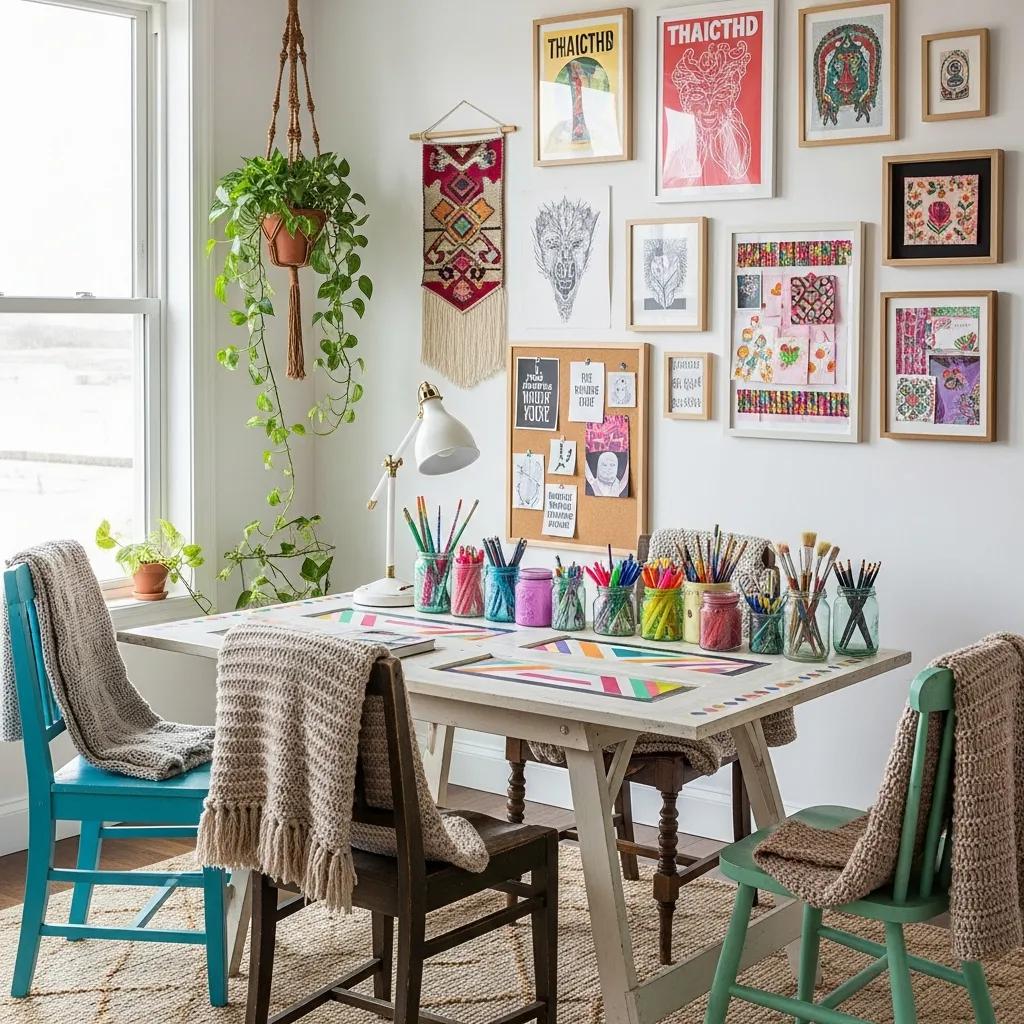
Decorating new home spaces on a budget is mostly about making a plan before you start buying. When you move, it is easy to feel like every room needs to be finished immediately, but the most affordable approach is to build the home in layers.
Start with what you already own, decide what actually needs to be replaced, and then focus on a few changes that make the space feel pulled together. Small upgrades can make a bigger impact than a cart full of random decor.
A helpful mindset is to treat your home like it is in a “settling in” phase for the first few months. Live in each room long enough to understand what is missing.
Sometimes the “need” is not a new chair, it is better lighting, a rug that anchors the seating area, or storage that keeps everyday clutter out of sight. That approach keeps decorating new home rooms from turning into an expensive trial and error.
DIY can also stretch your budget without making the home look homemade in a bad way. A simple wall paint refresh, swapping dated hardware, or framing prints in matching frames can change the feel of a space quickly.
Thrift stores, estate sales, and online marketplaces are also great for finding solid basics like side tables, mirrors, and frames for less. The key is to shop with measurements and a clear idea of your style so you do not bring home things that almost work.
How Can You Decorate On A Budget Without Sacrificing Style?
The easiest way to keep style while spending less is to prioritize. Choose one or two high-traffic areas to finish first, like the living room and primary bedroom, because those spaces affect how the whole house feels day to day. When those rooms look intentional, the rest of the home can come together gradually without feeling unfinished.
Versatile pieces are another smart budget move. Furniture that does more than one job, like an ottoman with storage or a console table that can be used as a desk, saves money and space.
It also gives you flexibility if you rearrange later, which is common after a move. When you buy something new, aim for classic shapes and neutral foundation colors, then use lower-cost items like pillows, throws, and art to bring in personality.
Personal touches matter more than people think, and they are often free. Family photos, meaningful objects from travel, and books you actually read make a home feel lived-in.
If you want a more pulled-together look, repeat a few design choices throughout the room, such as the same metal finish on frames and lamps, or a consistent color palette across textiles. That repetition is what makes decorating new home spaces look cohesive, even when everything was not bought at the same time.
Lighting is another place where budget changes pay off. Swapping a harsh bulb for a warmer tone, adding a floor lamp to a dark corner, or using matching lampshades can make a room feel calmer and more finished without major expense.
Which Affordable Home Accessories Enhance Your Living Room?
The living room usually benefits most from a few accessories that add comfort and balance without crowding the space.
Decorative pillows are one of the fastest upgrades because they add color and texture and make older furniture look refreshed. To keep it from looking cluttered, choose a couple of colors that tie back to the rug, artwork, or curtains, then vary the fabric texture rather than adding more patterns.
Wall art is another high-impact choice, and it does not need to be expensive. Large-scale art can be created affordably with downloadable prints, thrifted frames, or even a set of simple black-and-white photos.
If you are not sure what to hang, start with one statement piece over the sofa and let the rest of the room build around it. This helps decorating new home walls feel intentional instead of like you are filling space.
Indoor plants are also an easy way to make a living room feel warmer and more finished. Even a single medium-sized plant can soften corners and bring life into a room that still feels bare after unpacking. If you are worried about maintenance, start with hardy options and use a simple pot that fits your overall palette.
Finally, do not underestimate the impact of a tray, a basket, or a stack of books on a coffee table. These small groupings add structure and make surfaces look styled instead of messy. When you focus on a few accessories that do real work, decorating new home living rooms stays affordable and looks more polished.
Which DIY Home Decor Projects Can Personalize Your New Living Space?
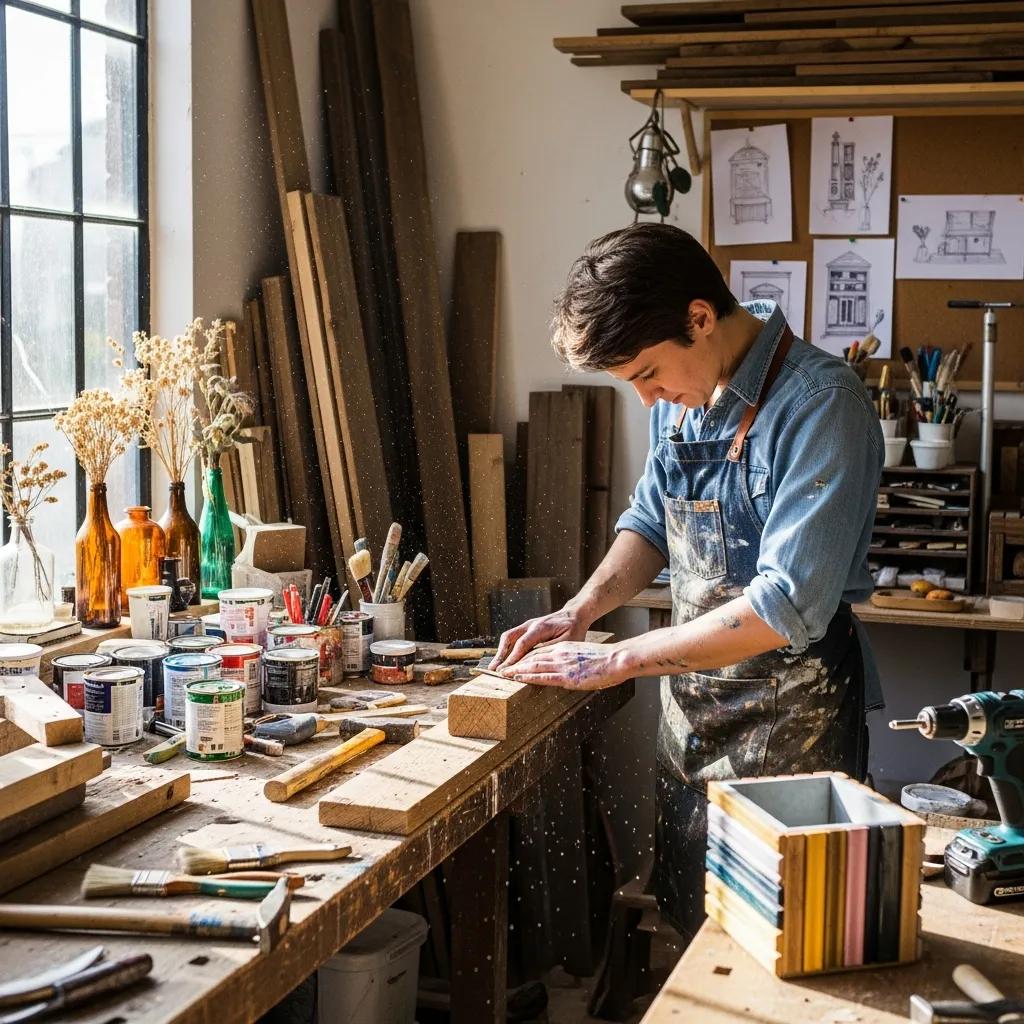
DIY projects are one of the easiest ways to make decorating new home spaces feel personal without spending a lot. They also solve a common problem after moving: your old items may not fit the new layout or style right away, so small updates help everything look more intentional while you settle in.
The best DIY choices are the ones that are simple, low-mess, and easy to redo if you change your mind later. That keeps your home from feeling like a project zone, and it helps you avoid buying decor just to fill space.
When you plan DIY upgrades, think about what will give you the biggest visual payoff. Walls, lighting, and worn furniture usually make the biggest difference.
If a room feels bland, add a focal point you can build around, like an art wall, a styled shelf, or a refreshed piece of furniture that anchors the space. If a room feels cluttered, focus on a storage upgrade that looks good, like a covered basket system or labeled bins that match.
What Easy DIY Ideas Are Suitable For Renters And Homeowners?
A renter-friendly approach is all about temporary changes that still look polished. If you want to add personality to blank walls, create wall art arrangements that do not require nails. Removable picture-hanging strips work well for frames, and adhesive hooks can hold lightweight pieces like woven decor or a small mirror.
Washi tape is another option for simple patterns or “framed” prints, especially in a home office or hallway. These ideas work whether you rent or own, and they make decorating new home walls feel less permanent while you figure out your style.
Temporary wallpaper and decals are also useful when you want color or texture without a long-term commitment. A peel-and-stick accent behind a headboard or on the back of a bookshelf can make the room feel designed without taking over the whole space. If you prefer a subtle look, try a neutral pattern that adds depth rather than a bold print that might feel dated fast.
Furniture updates can be surprisingly simple, too. If you have a piece that works functionally but looks tired, a weekend refresh can change the vibe of the room. Swapping knobs and pulls is one of the quickest upgrades, and it makes dressers, nightstands, and cabinets feel more current.
Painting can help, but it is not always necessary. Sometimes, a thorough cleaning, light sanding on rough spots, and new hardware are enough to make a piece feel “new” again.
Textiles are another DIY-friendly option. No-sew curtain updates, pillow covers made from fabric remnants, or even a simple table runner can add color and soften a room that still feels echo-y after moving. These changes are especially helpful in open spaces where your furniture may not fill the room the same way it did before.
How To Use Sustainable Materials In Your DIY Home Decor?
Using sustainable materials is a smart way to make DIY projects feel more unique while keeping costs down. It also helps you avoid the “fast decor” look, where everything feels mass-produced.
Reclaimed wood is one of the easiest materials to work with because it can become shelves, picture ledges, coat racks, or simple frames. Look for solid pieces from leftover building materials, older furniture that can be cut down, or secondhand finds that are beyond repair but still have usable wood.
Recycled fabrics are another easy win. Old curtains, denim, or linen tablecloths can be repurposed into pillow covers, simple wall hangings, or basket liners. These projects add texture, which makes decorating new home rooms look more layered and finished. If you are buying paint or stain, choose low-odor options and open windows while you work, especially in smaller rooms.
Secondhand shopping is also part of sustainable DIY, and it often leads to better results. Thrifted frames can be repainted to match, mirrors can be refreshed with a new coat of paint, and small tables can be refinished rather than replaced.
The goal is not to make everything look perfect. The goal is to make your home feel like it has been built over time, with pieces that have a story and choices that feel intentional.
If you keep your DIY upgrades simple, renter-friendly when needed, and focused on a few high-impact areas, decorating new home spaces starts to feel personal quickly without turning into an expensive overhaul.
How Do You Arrange Furniture And Optimize Small Spaces Effectively?
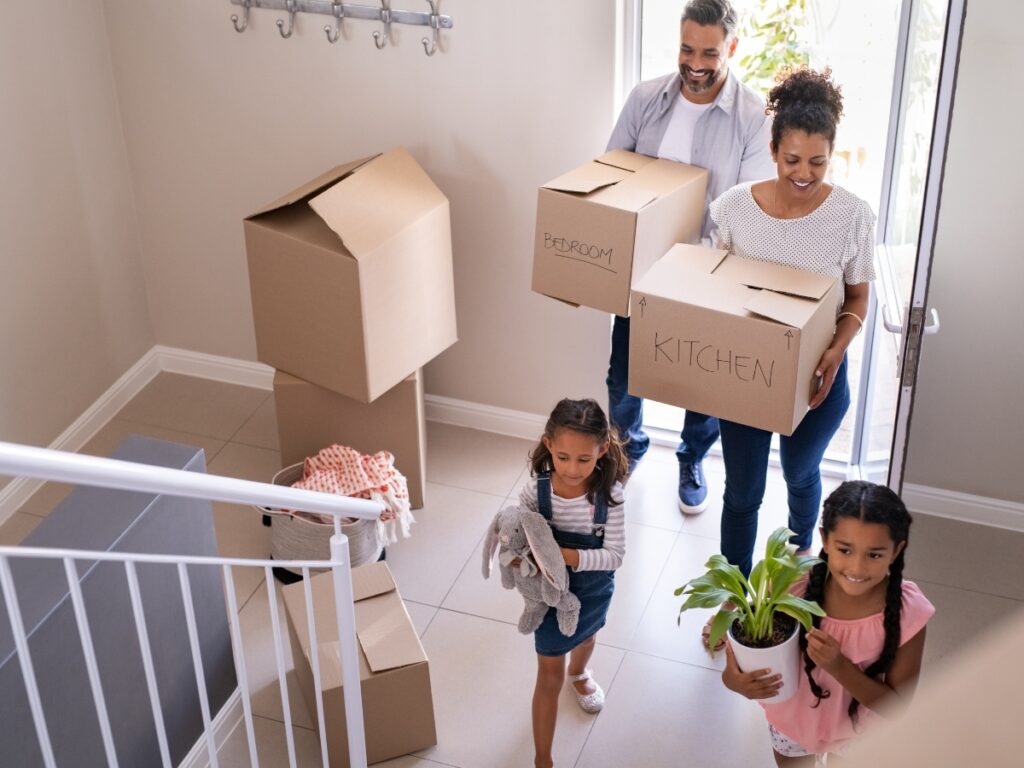
When decorating new home spaces that feel tight or awkward, furniture layout matters as much as the decor itself. A small room can feel comfortable and intentional if the layout supports everyday movement, creates clear zones, and keeps the visual weight balanced.
Before you start shifting pieces around, it helps to think about how you actually use the room. Are you watching TV, hosting friends, working from the couch, or trying to fit all three into one space? Once the room’s purpose is clear, arranging furniture becomes more straightforward, and you are less likely to end up with a “floating” layout that looks unfinished.
A good rule is to start with the biggest item, usually the sofa or the bed, and place it where it makes the most sense functionally. In living rooms, that often means anchoring seating around a focal point, like a TV wall, fireplace, or main window. In bedrooms, it usually means placing the bed on the longest uninterrupted wall so the space feels calmer and easier to navigate.
What Are Practical Furniture Layout Tips For Modern Home Styling?
Modern styling tends to look best when the room feels open, not overcrowded. The easiest way to get there is by protecting your walkways. If you constantly have to squeeze between a coffee table and a sofa corner, the room will feel smaller, no matter how nice the decor is. Aim for comfortable paths between the main entry points and the seating areas, and avoid blocking natural routes through the room.
Another helpful trick is using rugs to create structure, especially in open layouts. A rug can visually “hold” a seating area together and make the space feel like a defined zone rather than furniture placed around the edges.
The key is scale. If the rug is too small, the layout can look disconnected. When possible, position at least the front legs of the sofa and chairs on the rug so everything reads as one cohesive area.
Balance also matters. If one side of a room has a heavy sofa and the other side has nothing but a tiny chair, the room will feel lopsided. That does not mean you need matching pieces.
It just means you should distribute visual weight with a mix of heights and sizes, like pairing a large sofa with a medium chair plus a floor lamp or tall plant to create a similar presence on the other side.
When decorating new home rooms, it also helps to avoid pushing everything against the walls by default. In some small spaces, pulling the sofa a few inches away from the wall or angling a chair slightly can make the room feel more designed. It is a small change, but it often makes the layout look more intentional.
How Can Multifunctional Furniture Maximize Space In Small Rooms?
Multifunctional furniture makes small spaces easier to live in because it reduces the number of pieces you need. In a compact living room, a storage ottoman can replace a coffee table while giving you a place to stash blankets, toys, or extra cords. In a guest space that also functions as an office, a sleeper sofa or daybed can keep the room useful without forcing a full-time bed into the layout.
Extendable dining tables are another practical upgrade, especially if you want the option to host without dedicating permanent floor space to a large table. Nesting tables work well, too, because they can spread out when you need surface area and tuck away when you do not.
Vertical storage also counts as multifunctional. A slim bookcase can hold books, baskets, and decor, but it can also act as a room divider in a studio or open-plan space. Wall-mounted shelves can provide storage without using floor space, which is especially helpful in small bedrooms or narrow hallways.
If you are decorating new home spaces room by room, a simple approach is to pick one multifunctional anchor piece per room, then keep the rest of the furniture straightforward. That way, the space stays flexible without feeling like everything is a “hack.” The end result should feel like a home that functions well, not a room that is trying too hard to be clever.
Conclusion
Settling into your new home is a journey that extends well beyond moving day, and thoughtful decorating transforms empty spaces into personalized sanctuaries that truly feel like yours.
Taking the time to plan your layout, layer in meaningful elements, and decorate at a comfortable pace ensures a result you’ll love for years to come.
For a stress-free start to your new chapter, trust the moving experts at Atlanta Pack and Load to handle the heavy lifting. Ready to begin your move to your new home with confidence? Call (770) 779-8959 or get a free quote through our site form today. Let us deliver your belongings safely, so you can focus on making your new house a home.