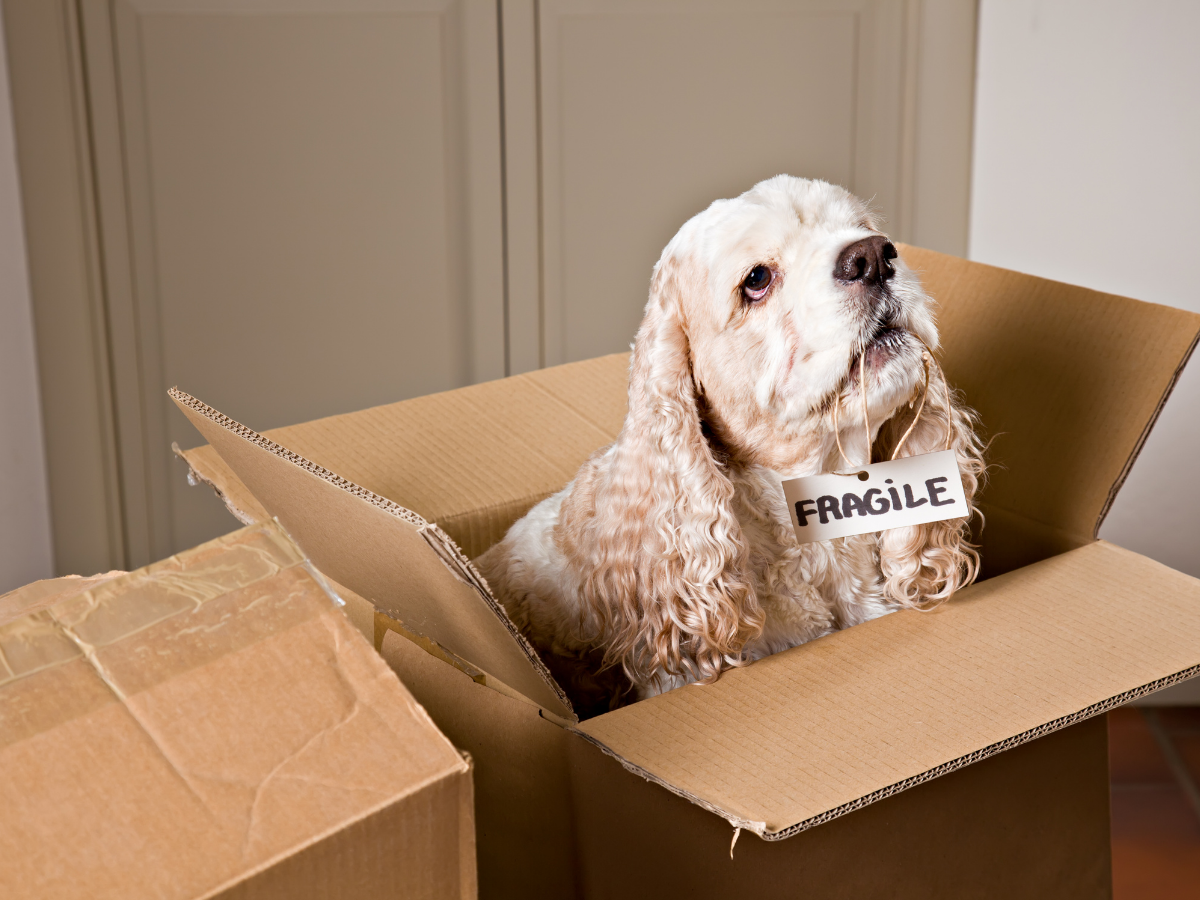
Moving can be overwhelming for pets. New environments, unfamiliar routines, and long travel days can create stress and anxiety for animals that rely on consistency and familiarity. Planning ahead can make a major difference in how smoothly the transition goes for both you and your pet.
A stress-free relocation guide for moving with pets focuses on keeping animals safe, comfortable, and calm throughout the process. From preparing travel essentials and updating identification to creating familiar spaces in a new home, small steps can help reduce confusion and ease the adjustment.
With the right preparation and a pet-focused approach, moving becomes more manageable and helps your pet settle into their new environment with less stress and greater comfort.
Moving With Pets Without Stressing Them Out
How Can You Prepare Your Pet For A Smooth Move?

Moving can be stressful for both people and pets, especially when routines suddenly change and familiar surroundings disappear. Proper preparation can make a major difference in how comfortably your pet adjusts during the transition.
Whether you’re relocating across town or moving to another state, taking a few proactive steps ahead of time can help reduce anxiety and create a safer experience for your animal companion.
One of the most important parts of moving with pets is maintaining a sense of consistency. Animals often rely on familiar routines, scents, and environments to feel secure.
As packing and moving activities begin, pets may become confused or anxious. Preparing early allows them to adjust gradually instead of being overwhelmed all at once.
What Essential Supplies Should You Gather For Pet Relocation?
Having the right supplies ready before moving day helps keep your pet comfortable and minimizes unnecessary stress during travel. A well-prepared setup also makes it easier to handle unexpected delays or changes during the relocation process.
Food and water bowls are among the most essential items to keep accessible throughout the move. Portable bowls are especially useful for long drives or temporary stops along the way. Maintaining your pet’s regular feeding schedule as closely as possible can also help reduce stress during moving with pets.
A sturdy leash and secure carrier are equally important. Carriers provide safety during transportation while also giving pets a contained, familiar space to retreat to during chaotic moments. If your pet is not used to a carrier, introducing it gradually before the move can help them feel more comfortable traveling inside it.
Comfort items can also make a noticeable difference. Bringing along familiar blankets, bedding, or favorite toys helps create a sense of familiarity in unfamiliar environments. Pets often respond positively to recognizable scents, which can help calm nerves during long travel days or the first few nights in a new home.
It’s also helpful to pack a dedicated pet travel bag with essentials such as waste bags, medications, treats, grooming supplies, and extra food. Keeping these items separate from the rest of your moving boxes makes them easier to access when needed.
How Should You Prepare Your Pet’s Health Records Before Moving?
Preparing your pet’s medical information is another important step when moving with pets. Before relocating, schedule a check-up with your veterinarian to make sure your pet is healthy and ready for travel. This is especially important for older pets, animals with medical conditions, or pets traveling long distances.
During the appointment, confirm that vaccinations are current and discuss any travel-related concerns with your veterinarian. Some states, apartment communities, or boarding facilities may require proof of vaccination or updated health certificates, particularly for dogs and cats.
Request copies of your pet’s medical records before the move. Having access to vaccination history, prescriptions, and treatment records can make it easier to establish care with a new veterinarian after arriving at your destination.
Microchip information should also be updated before relocating. If your address or phone number changes, make sure your pet’s registration details are current in case they become lost during the move.
How Can You Reduce Stress During The Moving Process?
Pets often react to changes in noise, activity, and routine, so minimizing stress during moving day is important. Keeping pets in a quiet room away from movers, open doors, and heavy foot traffic can help prevent anxiety and reduce the risk of escape.
Maintaining familiar routines as much as possible also helps create stability. Try to keep feeding times, walks, and play sessions consistent, even while packing and organizing the move.
When traveling, schedule breaks for pets during long drives and ensure they have access to water and ventilation. For especially anxious pets, your veterinarian may recommend calming strategies or travel-specific advice to make the trip more manageable.
Why Preparation Makes Moving With Pets Easier
Relocating with animals requires additional planning, but careful preparation can make the experience smoother for everyone involved. By organizing supplies, updating medical records, and maintaining familiar routines, pet owners can reduce stress and help their pets adjust more comfortably to a new environment.
Moving with pets becomes much more manageable when their physical comfort and emotional well-being are considered throughout the process. A calm, prepared approach helps pets feel safer during the transition and allows them to settle into their new home more confidently.
What Are The Best Practices For Traveling Safely With Pets?
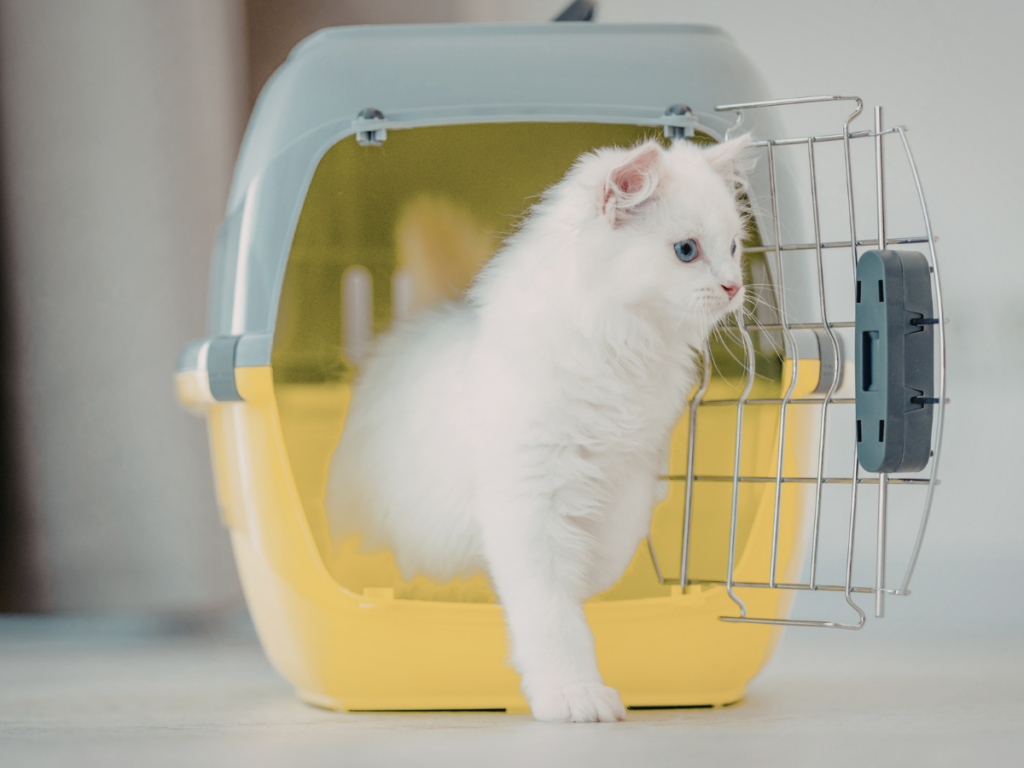
Traveling with animals can be one of the most stressful parts of moving with pets, especially during long-distance relocations or unfamiliar travel conditions.
Planning ahead helps reduce anxiety for both pets and owners while making the trip safer and more manageable. Whether you’re traveling by car, plane, or train, your pet’s comfort and security should remain a top priority throughout the journey.
One of the most important steps when moving with pets is choosing the right travel setup. Pets should always have a secure, designated space during transportation rather than roaming freely. This not only protects them from injury but also helps them feel calmer during travel.
Which Pet Carriers And Travel Equipment Are Recommended?
A reliable pet carrier can make a significant difference in your pet’s travel experience. The ideal carrier should allow your pet to stand, turn around, and lie down comfortably without feeling cramped. Proper ventilation is also essential, especially during longer trips or warmer weather.
Soft-sided carriers are often a good choice for smaller pets and shorter trips because they are lightweight and easier to transport. Many include mesh ventilation panels and adjustable straps for added convenience.
Hard-sided carriers, on the other hand, provide more structure and protection, making them a better fit for larger pets or air travel where extra durability may be required.
Some pet owners also use backpack-style carriers for small dogs or cats during shorter travel segments. These carriers can be practical in crowded areas like airports or train stations, though they should still provide enough airflow and support for the animal inside.
In addition to the carrier itself, a few extra travel items can help make moving with pets easier. Portable water bowls, absorbent pads, travel blankets, and seatbelt harnesses all help create a safer and more comfortable environment during the trip.
Familiar items from home, such as a favorite toy or blanket, can also help reduce stress by giving pets something recognizable to focus on.
How Should You Handle Car Travel With Pets?
Car travel is often the most flexible option for moving with pets because it allows for more frequent breaks and greater control over the environment.
Pets should always remain secured inside a carrier or attached to a pet seatbelt harness while the vehicle is moving. Allowing pets to roam freely inside the car can create distractions and increase the risk of injury during sudden stops.
Planning regular breaks is also important, particularly on longer drives. Stopping every few hours gives pets an opportunity to stretch, drink water, and relieve themselves. These breaks can also help reduce restlessness and motion-related anxiety.
Temperature control matters as well. Vehicles can heat up quickly, even during mild weather, so pets should never be left alone inside a parked car. Keeping the interior cool and well-ventilated helps pets remain comfortable throughout the trip.
What Should You Know About Air And Train Travel?
Air travel requires additional preparation because airlines have specific rules regarding pet transportation. Before booking, review the airline’s pet policies carefully, including carrier size requirements, breed restrictions, and necessary health documentation.
Some airlines allow smaller pets in the cabin, while others require animals to travel in a separate cargo area. Train travel policies can vary as well. Some rail services only permit small pets, while others have restrictions on carrier size or trip duration. Checking guidelines ahead of time helps avoid unexpected issues on travel day.
For both air and train travel, keeping identification tags updated is especially important. Pets should wear collars with current contact information, and microchip details should also be updated before the move.
Why Preparation Makes Pet Travel Safer
Successful travel during a move depends heavily on preparation. Pets are often sensitive to changes in routine, unfamiliar environments, and long travel days. Taking time to plan transportation carefully helps minimize stress and creates a safer experience overall.
When moving with pets, thoughtful preparation allows owners to focus less on travel complications and more on helping their animals adjust comfortably to the transition. A calm, organized approach can make the journey smoother and help pets settle into their new home more easily once the move is complete.
How Can You Reduce Stress For Pets On Moving Day?
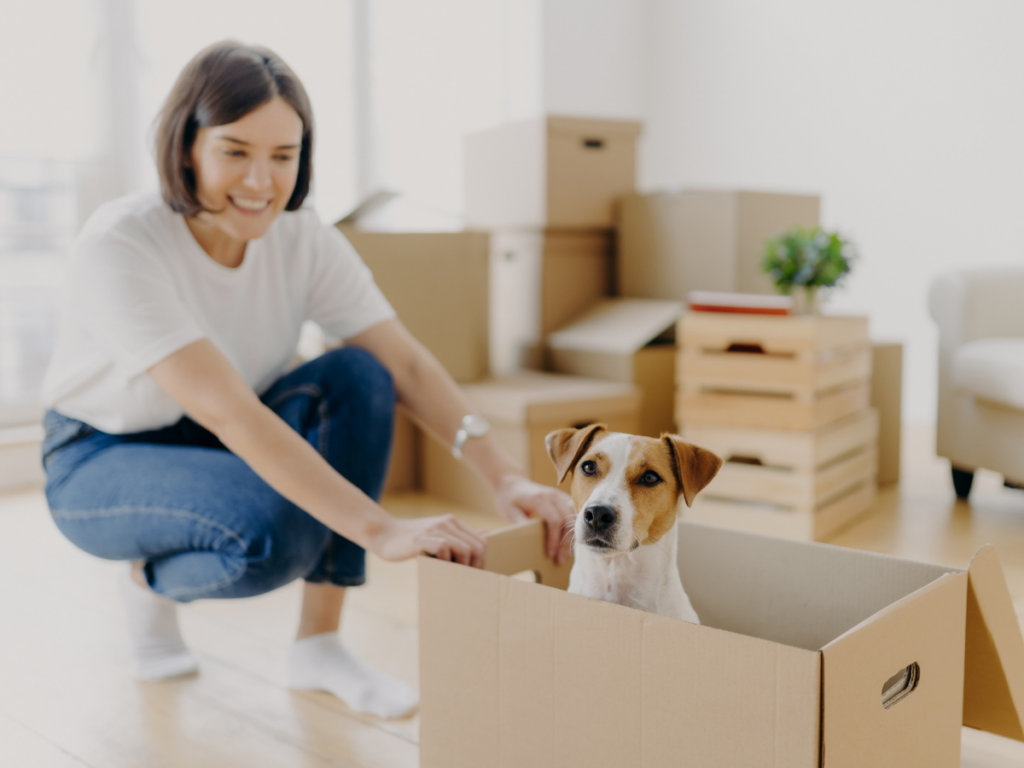
Moving day can feel chaotic for pets. Between the unfamiliar noises, packed boxes, and constant activity, many animals become anxious or unsettled during the process. Taking a few simple steps ahead of time can make moving with pets far less stressful and help them feel safer throughout the transition.
One of the most effective ways to reduce anxiety is to create a calm, predictable environment as much as possible. Pets are highly sensitive to changes in routine, so maintaining familiar habits during the move can help provide reassurance.
Even small efforts, like sticking to normal feeding times or taking regular walks, can help pets feel more grounded during an otherwise disruptive day.
What Techniques Help Calm Pets During Relocation?
Several proven techniques can help ease stress while moving with pets. Creating a quiet space away from the busiest areas of the home is often a good place to start.
As movers come in and out and boxes are loaded, pets can become overstimulated by the noise and activity. Keeping them in a separate room with familiar belongings can help them stay calmer while the move is underway.
Familiar scents also play an important role in helping pets feel secure. Bringing along favorite blankets, toys, bedding, or even an unwashed shirt with your scent can provide comfort during the transition. These familiar items help create continuity between the old environment and the new one.
Some pet owners also use calming aids such as pheromone diffusers or sprays designed specifically for dogs and cats. These products can help reduce nervous behaviors in stressful situations, particularly during long travel days or major routine changes.
Routine matters more than many people realize. Pets often respond well to consistency, so keeping feeding schedules, bathroom breaks, and exercise times as close to normal as possible can reduce confusion and anxiety.
This stability becomes especially important during moving with pets because so many other aspects of their environment are changing at once.
Why Preparation Matters Before Moving Day
Preparation before moving day can make the experience smoother for both pets and owners. If possible, introduce moving supplies gradually instead of packing everything at the last minute. Leaving boxes out for several days can help pets adjust to the changes more slowly rather than reacting to sudden disruptions.
For animals that struggle with anxiety, short practice sessions in carriers or vehicles before the move may also help. This is particularly useful for pets that are not used to traveling. Gradual exposure can reduce fear and make transportation feel less unfamiliar on moving day itself.
Identification is another important detail that should not be overlooked. During moves, pets can become frightened and attempt to escape through open doors or unfamiliar surroundings. Making sure collars, tags, and microchip information are fully updated adds an extra layer of protection during the relocation process.
How Can Professional Movers Help With Pet Relocation?
Professional movers can also help reduce stress during moving with pets by creating a more organized and efficient moving experience overall.
When homeowners are not overwhelmed with lifting, loading, and coordinating logistics on their own, they can devote more attention to keeping their pets calm and comfortable.
Companies such as Atlanta Pack and Load offer customizable moving services that can simplify the relocation process for families with pets. An experienced moving team can help minimize delays and reduce the amount of disruption inside the home, which often creates a calmer environment for animals.
Helping Pets Adjust To A New Home
Once the move is complete, pets may still need time to adjust to their new surroundings. Introducing them gradually to different rooms and maintaining familiar routines can help ease the transition. Keeping familiar bedding, food bowls, and toys in visible areas also helps reinforce a sense of safety.
Moving with pets requires extra planning, but thoughtful preparation can make the process far more manageable. A calm environment, consistent routines, and careful attention to your pet’s comfort can help reduce stress and make the move easier for everyone involved.
What Legal And Health Considerations Should Pet Owners Know When Moving?
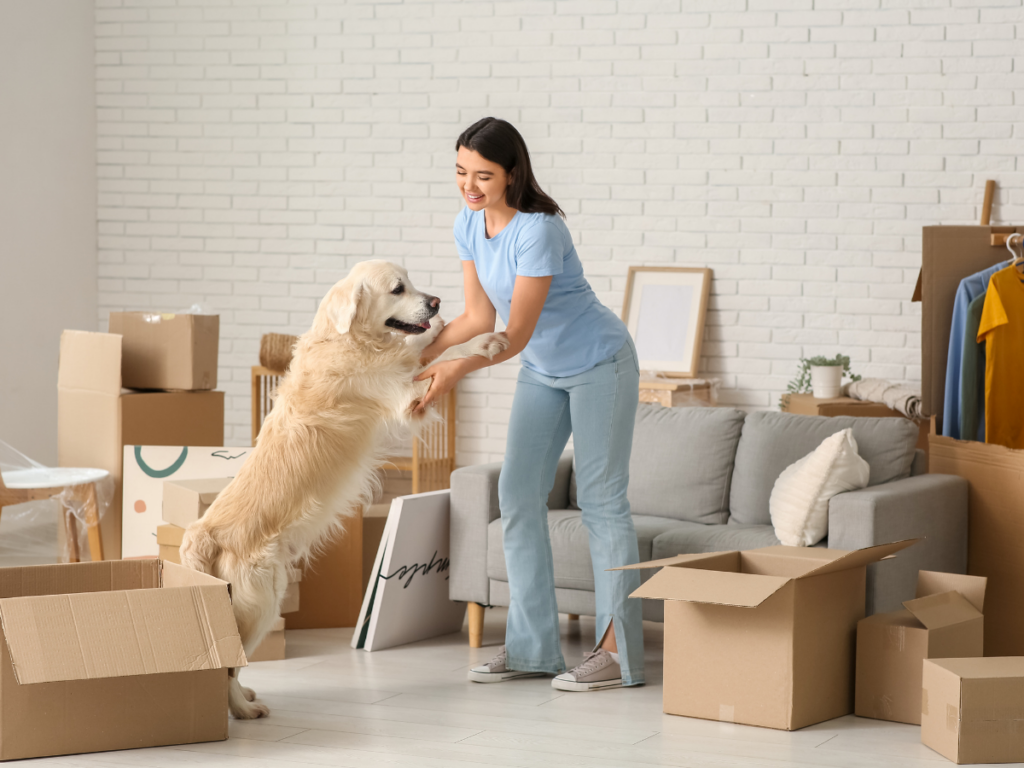
Relocating with animals involves more than packing supplies and arranging transportation. Legal requirements and health preparations are important parts of moving with pets, especially when traveling across state lines or relocating long distances.
Understanding these responsibilities ahead of time can help prevent delays, reduce stress, and keep your pet safe throughout the process.
Many pet owners focus heavily on the logistics of the move itself but overlook travel regulations and veterinary requirements until the last minute. Taking time to organize documents and confirm local rules early can make the transition much smoother.
What Are The Key Pet Travel Regulations And Documentation Requirements?
Pet travel regulations can vary depending on where you are moving and how you plan to travel. Some states, apartment communities, airlines, and even counties have specific requirements related to vaccinations, breed restrictions, licensing, or quarantine rules.
One of the most important documents during moving with pets is a current vaccination record. Many locations require proof that pets are vaccinated against diseases such as rabies before they can legally enter the area or use boarding facilities.
Airlines and some interstate travel routes may also require a veterinarian-issued health certificate confirming that the pet is healthy enough to travel.
If you are flying with a pet, airlines often have additional requirements regarding carrier sizes, breed restrictions, and temperature limitations. Some carriers restrict travel for certain breeds during hotter months due to safety concerns. Reviewing these rules well in advance helps avoid unexpected problems on travel day.
Housing regulations are another factor to consider. Rental properties and homeowner associations may have policies regarding pet size, breed, or the number of animals allowed. Confirming these details before the move helps prevent complications after arrival.
Why Health Preparation Matters Before Relocation
Health preparation is a critical part of moving with pets because relocation can be physically and emotionally stressful for animals. Scheduling a veterinary visit before the move gives pet owners an opportunity to address any health concerns and ensure vaccinations are up to date.
During the appointment, veterinarians can also provide advice for managing travel anxiety, motion sickness, or other concerns related to relocation. For pets with medical conditions or ongoing treatments, it is helpful to request copies of medical records and prescription information before leaving your current area.
Medication refills should also be handled ahead of time. Having enough medication available during the move prevents interruptions in treatment, especially if there is a delay in establishing care with a new veterinarian after arriving.
How Can You Improve Pet Safety During The Move?
Safety planning becomes especially important during moving with pets because unfamiliar environments can increase the risk of accidents or escapes.
Pets should always wear updated identification tags that include current phone numbers and contact information. If your pet is microchipped, make sure the registration details are updated before the move.
Keeping pets secured in carriers or harnesses during transportation is another important precaution. Even calm animals can become frightened during long trips, loud traffic, or sudden changes in the environment. A secure travel setup helps protect both the pet and the people traveling with them.
It is also a good idea to research emergency veterinary clinics near your new home before arriving. Having this information available ahead of time can save valuable time if an unexpected medical issue occurs shortly after the move.
How Does Preparation Support A Smoother Transition?
The legal and health side of moving with pets may seem overwhelming at first, but early preparation makes the process far more manageable. Organizing records, scheduling veterinary appointments, and researching travel requirements ahead of time helps eliminate many common moving-day problems.
Beyond meeting legal obligations, these preparations also help pets adjust more comfortably to their new environment. When pets remain healthy, secure, and properly cared for during relocation, the transition tends to be easier for everyone involved.
Conclusion
Moving with pets requires extra planning, patience, and care to help make the transition as safe and stress-free as possible for every member of the family.
From maintaining familiar routines to preparing secure travel arrangements and creating a comfortable setup in your new home, the right approach can help pets adjust more smoothly during relocation.
Working with an experienced moving company can also make the process far less overwhelming by reducing the pressure of packing, loading, and transportation logistics. Atlanta Pack and Load provides professional moving and packing services designed to help families relocate with confidence and peace of mind.
Whether you are moving locally or long-distance, our team is ready to help simplify the process from start to finish. Call (770) 779-8959 or request a free estimate today.