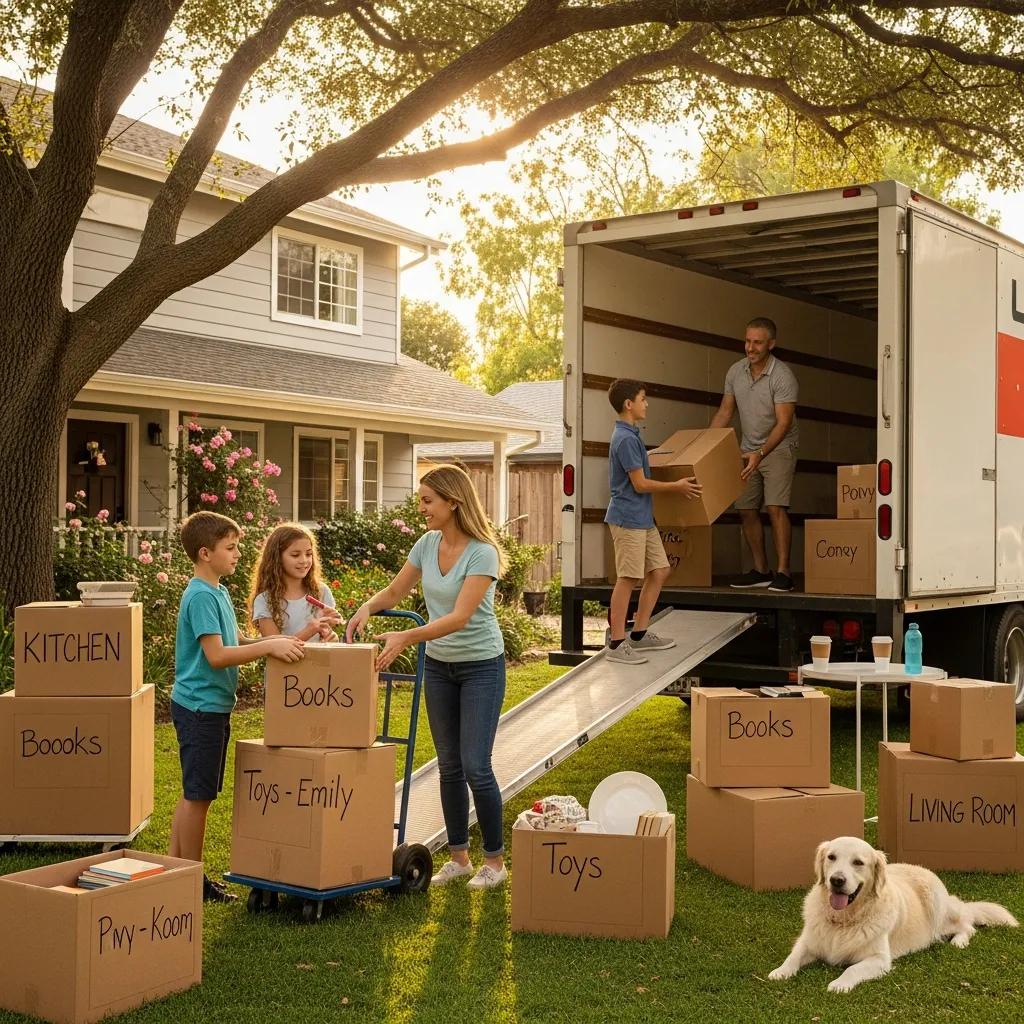
Navigating long distance moving insurance options is a crucial, yet often overlooked, step in ensuring your belongings are financially protected during a major relocation. Standard mover liability offers minimal coverage, making supplemental valuation options or third-party insurance essential for safeguarding high-value items and providing peace of mind.
This post breaks down the different types of moving insurance available, explains key terminology and coverage limits, and offers practical advice for selecting the right protection for your long distance move.
Long Distance Moving Insurance That Gives Real Peace of Mind
What Are the Main Types of Long Distance Moving Insurance?
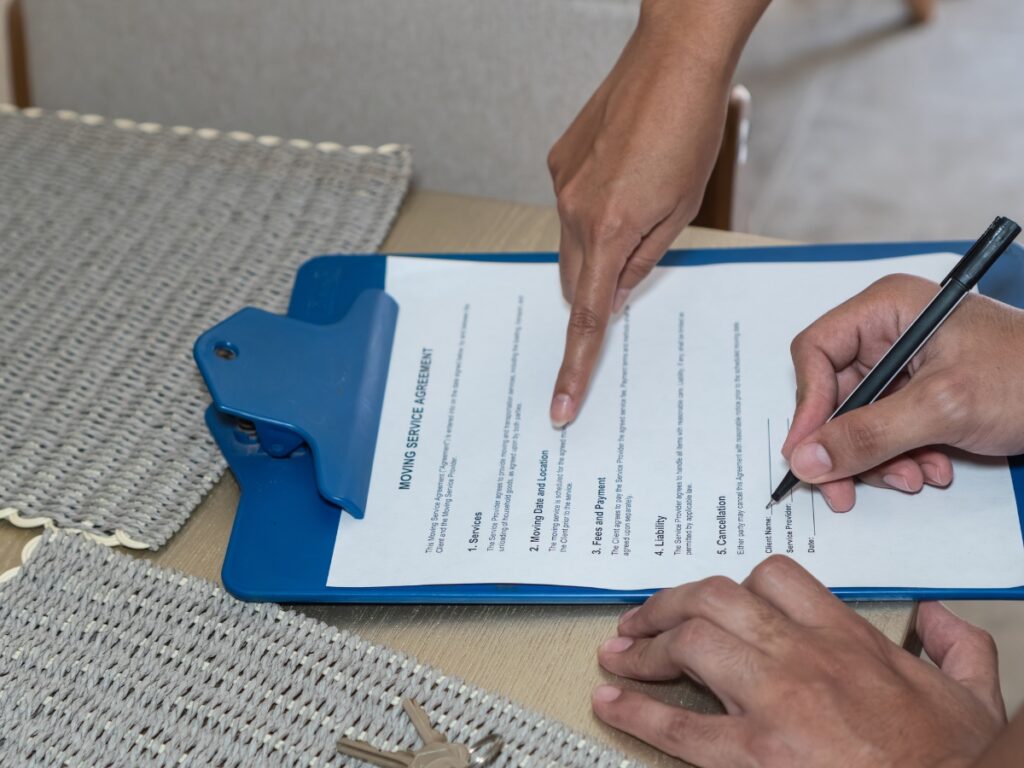
Long distance moving insurance is designed to protect your belongings if something is lost, damaged, or stolen during a move. Most coverage options fall into three categories: released value protection, full value protection, and third-party coverage. Each option offers a different level of protection, and the right choice often depends on the value of what you are moving, how much risk you are comfortable with, and whether you want coverage that extends beyond the moving company.
It also helps to know that “moving insurance” is sometimes used as a general term. In many cases, what movers provide is liability coverage rather than an insurance policy in the traditional sense. Either way, understanding what is and is not covered is one of the most important steps you can take before moving day.
What Is Released Value Protection And How Does It Work?
Released value protection is the most basic option and is often included at no extra charge. Under this type of long distance moving insurance, the mover’s responsibility is limited to a set amount based on weight, not the item’s actual value. The common standard is sixty cents per pound per item. This is where many people are surprised, because the payout may be far lower than what it would cost to replace a damaged item.
For example, if a one hundred pound dresser is damaged, compensation would be based on weight rather than replacement cost. That may not come close to what you paid for it or what it would cost to buy something similar today. Released value protection can make sense for low-value items, or when you are willing to take on more risk to keep costs down. It is less ideal if you are moving electronics, furniture, antiques, or anything that would be expensive to replace.
What Does Full Value Protection Cover And Is It Worth The Cost?
Full value protection offers broader coverage and is the most comprehensive option typically offered by a moving company. Under this type of long distance moving insurance, the mover is generally responsible for lost or damaged items at their current value. If something happens, the moving company may choose to repair the item, replace it with a similar one, or provide a cash settlement.
This option usually costs more, but it can be worth it if you are moving higher-value belongings or simply want fewer surprises if something goes wrong. Even with full value protection, it is important to read the details. Certain items may require special packing rules, and there may be limits on coverage for valuables unless you declare them. In some cases, you may also be asked to select a deductible. A higher deductible can lower the upfront cost, but it also means you cover more of the loss before the coverage applies.
If you want more peace of mind, full value protection is often the more practical choice, especially for long moves where items are loaded and unloaded multiple times.
What Is Third-Party Coverage And How Does It Work?
Third-party coverage is a separate policy purchased through an insurance provider rather than through the moving company. This type of long distance moving insurance can be useful if you want protection that is independent of the mover, or if you need coverage that extends beyond what the moving company offers.
Third-party policies vary, but they often allow you to insure belongings based on declared value, and some may include coverage for risks the mover’s option excludes. Depending on the policy, it may cover breakage, theft, loss, and in some cases damage related to storage during transit. The claims process usually runs through the insurance provider, not the moving company, which some people prefer for clarity and accountability.
Third-party coverage can also be a good option if you are moving specialty items such as fine art or high-end electronics, or if your move includes complicated logistics like multiple stops or extended storage.
Choosing The Right Option For Your Move
The best long distance moving insurance choice depends on what you are moving and how you want to manage risk. Released value protection offers minimal coverage, full value protection provides stronger support through the moving company, and third-party coverage offers an independent layer of protection that may be more flexible.
Before choosing, it helps to take a quick inventory of high-value items and consider how costly it would be to replace what matters most.
How Much Does Moving Insurance Cost, and What Factors Affect Pricing?

The cost of long distance moving insurance depends on how much protection you want and how the mover or insurer calculates risk. Some coverage is included automatically, while other options are priced based on the declared value of your shipment. That range is why two households can make the same move and pay very different amounts for coverage.
In general, the more comprehensive the coverage, the higher the cost. Basic liability coverage is often built into the move, but it usually offers limited reimbursement. More robust coverage tends to cost extra because it is designed to pay out closer to the true value of what you are moving. When budgeting, it helps to think of long distance moving insurance as part of your overall risk plan. If replacing key items would be expensive or stressful, paying more upfront for better coverage can be worth it.
What Influences The Cost Of Full Value Protection Moving Insurance?
Full value protection is typically the highest level of coverage a moving company offers, and it is priced accordingly. One of the biggest factors is the value of the goods being shipped. If you declare a higher value for your household items, the cost usually increases because the potential payout is higher if something is damaged or lost. This is especially relevant for shipments that include electronics, higher-end furniture, or specialty items.
Distance and complexity matter as well. A longer move can involve more handling, more time in transit, and sometimes multiple loading or storage stages. Each additional step increases the chance of something being jostled, scratched, or misplaced, which is why long moves can carry higher insurance costs than shorter relocations.
The type of coverage you choose also affects pricing. Some plans allow additional protection for specific categories of items, or require special packing for fragile goods. If you opt into extra protections or add endorsements, your cost may increase. It is also common for movers to set a minimum shipment value for full value protection, which means there may be a baseline cost even if you are not moving many items.
How Do Deductibles And Coverage Limits Impact Your Insurance Premium?
Deductibles and limits can change both the upfront cost and what you would pay out of pocket if you file a claim. A deductible is the amount you agree to cover before the insurance applies. Choosing a higher deductible often lowers the premium because you are taking on more of the financial risk. In exchange, you would pay more if something happens. A lower deductible usually means a higher premium, but less cost exposure if you need to file a claim.
Coverage limits also affect pricing. Some policies or mover plans set maximum reimbursement amounts for certain items or categories, especially valuables. If you want higher limits, you may pay more. It is also important to pay attention to how “value” is defined. Some coverage uses repair cost, some uses replacement value, and some uses a depreciated value. The difference can matter a lot for older furniture and electronics, even if they were expensive originally.
Other Pricing Considerations People Miss
Inventory detail can influence what you pay and what you can successfully claim later. If high-value items are not documented clearly, coverage may be limited or disputed. It is also smart to understand packing rules. Some long distance moving insurance options require professional packing or specific documentation for fragile items. If those requirements are not followed, the claim payout may be reduced or denied.
Storage can also affect pricing. If your move includes temporary storage, you may need coverage that applies during that period. Some mover plans treat storage differently than transit, and third-party policies may require an add-on.
Planning Your Budget With Confidence
Long distance moving insurance costs vary because coverage varies. Full value protection tends to cost more because it offers broader responsibility from the mover. Deductibles and coverage limits can push the premium up or down depending on how much risk you want to carry yourself. The most reliable way to budget is to identify the items you would least want to replace, decide how much protection you want for them, and choose long distance moving insurance that matches that level of risk results in lower premiums, while lower deductibles lead to higher costs. Additionally, understanding the coverage limits is crucial, as policies with lower limits may not provide adequate protection for your belongings. It is essential to balance your deductible and coverage limits to find a policy that meets your needs without breaking your budget.
How Can You Protect Specific Valuables During A Long Distance Move?
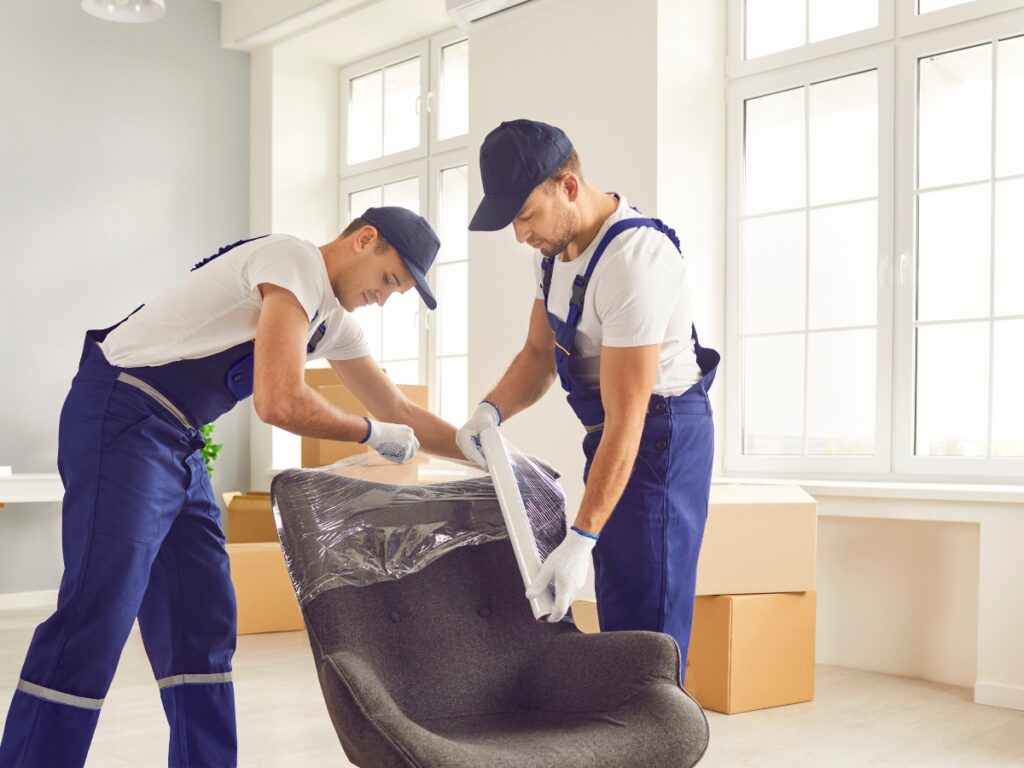
Valuable items often need more than standard coverage during a move. Long distance moving insurance can protect household goods in transit, but high-value or specialty items sometimes fall under different rules, limits, or exclusions. That is why it helps to plan ahead for anything you would struggle to replace, whether it is fine art, antiques, electronics, or a vehicle being shipped separately.
A good first step is to identify which items are truly “valuables,” not just expensive, but hard to replace or easy to damage. Then you can match each category to the right type of protection. In many cases, long distance moving insurance is part of the solution, but documentation, packing decisions, and separate policies may also be needed.
What Insurance Options Are Available For Antiques And Fine Art?
Antiques and fine art are often treated differently because they are high value and fragile. Some moving companies offer additional declared-value coverage or specialized options for items above a certain threshold, but you should confirm whether those items must be packed in a specific way to qualify. It is also smart to verify whether the mover’s coverage uses repair value, replacement value, or a settlement amount based on the item’s condition.
Appraisals are extremely helpful here. If you have formal appraisals, receipts, or a recent valuation, it is easier to set an appropriate coverage level and support a claim if damage occurs. Even if you do not have professional paperwork, clear photos and written descriptions can help document pre-move condition. For artwork, photos of the front, back, frame, and any existing marks can provide a strong baseline.
In some situations, third-party coverage is a better fit than relying only on the mover. A separate policy may offer clearer terms for fine art and antiques, especially if the mover’s plan has limits or strict packing requirements. When you are deciding, consider the item’s value, fragility, and how comfortable you are with the mover’s claim process. Long distance moving insurance can still be valuable in these cases, but it works best when the coverage terms match the items you are actually transporting.
How To Insure Electronics, Vehicles, And Storage Units Effectively?
Electronics are common sources of claims because they are sensitive to impact, pressure, and temperature changes. If you are relying on long distance moving insurance through the mover, confirm that accidental damage is covered and whether original packaging is required for certain items. When possible, use the manufacturer’s packaging for TVs, monitors, and gaming systems, since it is designed for safe transport. If you no longer have it, sturdy boxes, proper cushioning, and careful labeling can help reduce risk.
Vehicles often require separate planning because they may be shipped by a different carrier, and the coverage may not fall under your household move policy. If you are transporting a car, verify what the carrier covers, what documentation is required, and whether the coverage reflects actual value. It is also important to document the vehicle’s condition before transport. Photos of all sides, the roof, and the interior, along with mileage and any existing scratches, make disputes easier to resolve.
Storage adds another layer. If your move includes temporary storage, make sure your long distance moving insurance applies during that period. Some plans cover only transit, not storage. Storage facilities may offer coverage, and third-party policies may include storage as an add-on. The key is to avoid gaps, especially if belongings will sit in storage for weeks.
A Practical Checklist For Better Protection
Protecting valuables is mostly about reducing uncertainty with a practical checklist. Use long distance moving insurance as your foundation, then strengthen it with documentation, proper packing, and item-specific coverage when needed. When you understand how each category is treated and what the limits are, you can choose coverage that actually reflects what you are moving, not just what the policy assumes.
What Is The Process For Filing A Moving Insurance Claim?

Filing a claim does not have to be complicated, but it does require speed, documentation, and attention to the rules in your coverage. Long distance moves involve multiple points of handling, so it is not unusual for minor damage to show up when items are unpacked. The key is knowing what to do the moment you notice an issue, because long distance moving insurance claims often come with deadlines and specific paperwork requirements.
Before you start, review what type of coverage you selected. Claims may be handled differently depending on whether you have basic liability coverage, full value protection through the mover, or third-party long distance moving insurance. The steps are similar, but the forms and timelines can vary.
How Do You File A Claim For Lost Or Damaged Items?
Start by notifying the moving company as soon as you identify a problem. If possible, do this immediately during delivery or while you are unpacking. This matters because movers may ask you to note visible damage on delivery paperwork. Even if you do not see damage right away, reporting it quickly helps create a clear timeline and reduces disputes later.
Next, document everything. Take photos of damaged items from multiple angles and include photos of the box or crate if it shows signs of impact. If the item is broken, photograph the damage up close and then take a wider photo showing the full item for context. If you suspect a box was crushed or dropped, photos of the exterior packaging help support the claim.
After documentation, submit the claim using the company’s official forms. Most movers provide a claim form or an online portal. Fill it out completely and attach supporting materials. If the item has repair estimates, replacement costs, or receipts, include them. When you are using long distance moving insurance through a third party, you may need to submit documents to both the mover and the insurer, depending on how the policy is structured.
Avoid throwing items away until the claim is resolved. Some providers require inspection, and disposing of the item too early can weaken your case.
What Documentation Is Required And What Are Common Exclusions?
Claims are typically approved faster when you provide clear proof and keep your paperwork organized. Most long distance moving insurance claims require documentation that supports three things: what the item was, what condition it was in before the move, and what it is worth.
Proof of value is often requested, especially for higher-value items. Receipts, appraisals, or a reasonable estimate of replacement cost can help. Inventory lists are also important. Many movers create an inventory during pickup. If an item is missing or damaged but not listed properly, it can complicate the claim, so compare your copy of the inventory to what was delivered.
Photos and written notes are another key part of the process. If you have pictures of the item before the move, that is useful, but even after-the-fact documentation still matters. Keep records of emails, texts, and any conversations you have with the mover or insurance provider.
Common exclusions often relate to packing and item type. Damage caused by improper packing, especially if you packed the box yourself, may not be covered depending on the plan. Some policies exclude “inherent fragility,” meaning items that are especially delicate may require special packing or declared value to qualify. Items not listed on inventory forms, cash, jewelry, and important documents may also have limited coverage or separate rules. Always check your long distance moving insurance terms so you know what triggers an exclusion.
What Helps Claims Go Smoother
The most effective way to protect yourself is to document early and stay organized. With long distance moving insurance, a clean paper trail, clear photos, and prompt reporting usually make the difference between a fast resolution and a drawn-out process. If you treat the claim like a simple checklist from the start, it is easier to recover losses without unnecessary delays.
Why Choose Atlanta Pack and Load for Your Insured Long Distance Move?
A long distance move involves more than getting boxes from point A to point B. Your belongings may be loaded, secured, transported, and unloaded over multiple days, which increases the chance of damage if the process is rushed or disorganized. That is why choosing a mover with clear policies and a consistent handling process matters. When you are comparing options, long distance moving insurance is only part of the decision. You also want a company that explains coverage clearly, provides straightforward estimates, and treats your shipment like it is worth protecting.
Atlanta Pack and Load positions its service around predictable expectations. That includes clearer communication about what you are paying for, what is included, and what your coverage options look like. For many customers, that level of clarity is what reduces stress. It also makes it easier to choose long distance moving insurance that matches the value of what you are moving rather than defaulting to the minimum.
How Does Atlanta Pack And Load Ensure Safe Relocations With Valuation Coverage?
One of the most important protections during a long distance move is valuation coverage. While many people refer to it as insurance, valuation is typically the mover’s level of responsibility for loss or damage. Atlanta Pack and Load offers valuation coverage options so customers can choose the level of protection that fits their move. This matters because not everyone is moving the same type of household. Some moves involve basic furniture and everyday items, while others include higher-value pieces, electronics, or specialty items that would be expensive to replace.
Safe relocation also depends on how items are handled. A trained team that loads carefully, secures items properly, and keeps an organized inventory reduces the chance of damage and loss. Experience matters in these situations, especially when bulky items, fragile pieces, and tight spaces are involved. A consistent packing and loading process helps protect belongings in transit, and it also supports smoother claims if an issue does come up. With long distance moving insurance, documentation and handling practices often affect how smoothly a claim is resolved.
Another factor is pricing transparency. Estimates that clearly outline charges make it easier to budget and avoid last-minute surprises. When the quote is straightforward, it is also easier to decide whether you want additional valuation coverage or third-party long distance moving insurance for extra protection.
What Makes Their Moving Insurance Options Transparent And Customer-Focused?
The main reason people feel confused about long distance moving insurance is that coverage terms are often explained in vague language. A customer-focused approach clarifies what each option actually provides, what it costs, and what limitations apply. Atlanta Pack and Load emphasizes clear explanations so customers understand the difference between basic coverage and more comprehensive protection.
Transparency also matters when it comes to setting expectations. Customers should know whether coverage is based on weight, replacement value, or declared value, and whether certain items have special requirements. For example, some coverage options may have limits on high-value items unless they are listed and documented. Knowing that upfront helps customers protect what matters most, rather than discovering gaps after the move.
When insurance options are explained clearly, customers are more likely to choose the right level of coverage instead of guessing. That is one of the biggest advantages of a transparent, customer-first approach. It supports better decision-making and reduces the chances of frustration later if a claim needs to be filed.
Choosing Coverage That Matches Your Move
Every move is different, so the best long distance moving insurance choice depends on what you are transporting and how much financial risk you want to take on. Basic coverage may be enough for low-value items, while full value protection or third-party coverage may make more sense for households with more expensive belongings. When a mover provides clear pricing and clear explanations, it becomes easier to choose the right protection level and move forward with fewer unknowns.
Final Thoughts: Insuring Your Long-Distance Move
Understanding your long distance moving insurance options is a crucial step in protecting your belongings and ensuring financial peace of mind during a relocation. While basic carrier liability is often included, investing in full value protection or third-party insurance provides comprehensive coverage for your precious items. For a stress-free move with clear insurance guidance and professional service, trust the experienced team at Atlanta Pack and Load. Ready to move with confidence? Call (770) 779-8959 or get a free quote through our site form today. Let us handle the heavy lifting and the details, so you can focus on your new beginning.