Moving on your own can save money, but it also puts a lot of strain on your body if you’re not careful. Lifting furniture, appliances, and packed boxes without proper technique can lead to back injuries, muscle strain, and unnecessary fatigue. Learning heavy lifting techniques for DIY movers is essential for staying safe and making the process more efficient.
It’s not just about strength. Proper posture, controlled movements, and knowing how to handle weight distribution can make even bulky items easier to manage. Using the right approach also reduces the risk of dropping or damaging belongings during the move.
With a few key techniques and some planning, you can move heavier items with more control, less strain, and a lower chance of injury from start to finish.
Heavy Lifting Techniques for DIY Movers That Save Your Back
What Are The Most Effective Safe Lifting Techniques For Moving Heavy Furniture?
Moving large furniture can quickly become risky if the right approach is not used. Heavy lifting is not just about strength. It comes down to technique, awareness, and preparation. When done properly, you reduce the chance of injury and make the entire process more manageable.
Before lifting anything, take a moment to assess the item. Consider its weight, shape, and where you are moving it. Clearing a path ahead of time helps avoid sudden adjustments while carrying, which is often when injuries happen. Wearing supportive footwear and using gloves for grip can also make a noticeable difference.
A simple way to think about heavy lifting is to let your body work with the weight instead of against it. When your movements are controlled and steady, you avoid unnecessary strain and maintain better balance.
How Do Ergonomic Lifting Methods Reduce Injury Risk During DIY Moves?
Ergonomic lifting focuses on using the strongest parts of your body to handle weight safely. Instead of relying on your back, the goal is to shift the effort to your legs and core, which are better equipped to handle pressure.
When preparing to lift, position yourself close to the object. Standing too far away increases strain on your lower back. Lower your body by bending your knees, not your waist, and keep your chest upright. Once you have a firm grip, push through your legs as you stand, keeping the item close to your body.
This approach spreads the weight more evenly and helps you stay in control of the movement. It also reduces sudden stress on your spine, which is one of the most common causes of injury during heavy lifting.
If the item feels unstable or too heavy, pause and reassess. Asking for help or using moving equipment is always a better option than risking strain or injury.
What Are The Key Principles Of Proper Lifting Posture And Body Mechanics?
Good posture plays a major role in safe heavy lifting. Your spine should stay in a neutral position throughout the lift, meaning it maintains its natural curve without bending forward or backward too much. Engaging your core muscles adds stability and supports your lower back during movement.
Keep your shoulders aligned with your hips and avoid twisting your torso while carrying an object. If you need to change direction, move your feet instead of rotating your upper body. This small adjustment can prevent unnecessary strain on your back.
A few key habits can make lifting safer and more efficient:
- Keep the load close to your body to improve balance
- Lift smoothly instead of using quick or jerky movements
- Set the item down by bending your knees again, not your back
Working with a partner can also improve safety. Clear communication helps coordinate movements, especially when navigating tight spaces or stairs. Moving at the same pace prevents uneven weight distribution and sudden shifts.
Building Safer Habits For Heavy Lifting
Developing good habits around heavy lifting can make a big difference over time. Even small adjustments, such as planning your route or adjusting your grip, can reduce fatigue and lower the risk of injury.
It is also important to recognize your limits. Not every item should be lifted alone, and using tools like dollies or straps can make the process easier and safer. Heavy lifting becomes much more manageable when you combine proper technique with the right level of preparation.
By focusing on posture, controlled movement, and awareness, you can handle heavy furniture more confidently while protecting your body in the process.
Which Essential Moving Equipment Supports Heavy Object Relocation for DIY Movers?

Relocating large or bulky items becomes much more manageable when you use the right tools. While strength plays a role, the right techniques and equipment are what truly make a move safer and more efficient.
For DIY movers, having access to basic moving tools can reduce strain, protect your home, and help you stay in control throughout the process.
Equipment such as dollies, lifting straps, and furniture sliders are designed to support safe movement rather than relying on lifting alone. Instead of carrying weight across a room, these tools allow you to guide and reposition items with less effort. This not only improves efficiency but also reduces the risk of injury, especially during longer moves.
A simple way to think about it is that good techniques work best when paired with the right tools. Together, they create a smoother and more predictable moving experience.
How Do Moving Dollies And Lifting Straps Facilitate Safe Furniture Moving?
Moving dollies are one of the most useful tools when handling heavy furniture. They allow you to transport items by rolling them instead of lifting, which takes pressure off your back and joints. This is especially helpful for larger items like appliances or dressers that would otherwise require multiple people to carry.
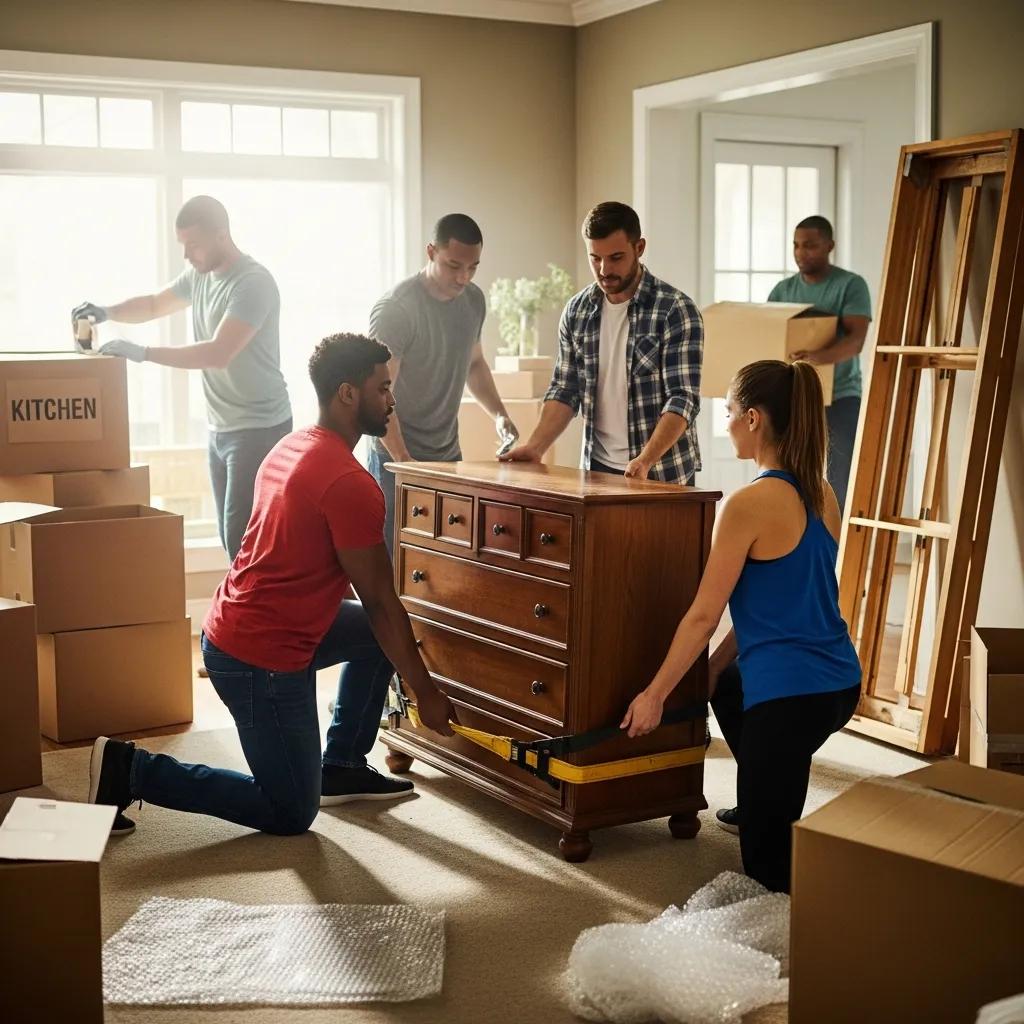
Lifting straps, on the other hand, are designed to improve how weight is distributed. When used correctly, they shift some of the load away from your arms and back and onto stronger muscle groups like your legs and shoulders. This aligns well with proper lifting techniques, where the goal is to minimize strain while maintaining control.
When combining these tools, the process becomes much more stable. For example, you might use lifting straps to safely raise an item just enough to place it onto a dolly, then guide it across the room without needing to carry the full weight. This approach reduces fatigue and allows you to move more deliberately.
Another benefit is improved coordination when working with a partner. Tools like straps help ensure both people share the load evenly, which makes movements more predictable and reduces the chance of sudden shifts.
What Are The Benefits Of Renting Professional Moving Equipment Locally?
For many people, buying moving equipment for a single move is not always practical. Renting offers a flexible option that still gives you access to reliable tools. This allows you to apply proper techniques without making a long-term investment in equipment you may not use again.
Rental equipment is often designed for durability and ease of use. That means you are working with tools that can handle heavier loads and perform more consistently than basic alternatives. It also gives you the chance to choose equipment based on your specific needs, whether that involves tight indoor spaces or larger outdoor moves.
There are a few practical advantages to renting:
- Access to sturdy, well-maintained tools without high upfront cost
- Ability to choose equipment suited to different types of furniture
- Less storage needed after the move is complete
Using rented equipment alongside proper techniques can make a noticeable difference in both safety and efficiency. Instead of rushing or improvising, you can approach each step with more control and confidence.
Making Moving Safer And More Efficient With The Right Approach
Heavy object relocation does not have to feel overwhelming. With a combination of thoughtful planning, reliable tools, and proven techniques, even large items can be moved with less effort and lower risk.
Taking the time to choose the right equipment and use it properly allows you to focus on the overall process rather than just the physical challenge. Whether you are moving across a room or across town, the goal is the same. Work smarter, protect your body, and keep each movement as controlled as possible.
By relying on both practical tools and effective techniques, DIY movers can handle heavy items more safely while keeping the process efficient from start to finish.
What Step-By-Step Procedures Ensure Safe Heavy Furniture Moving For Homeowners?
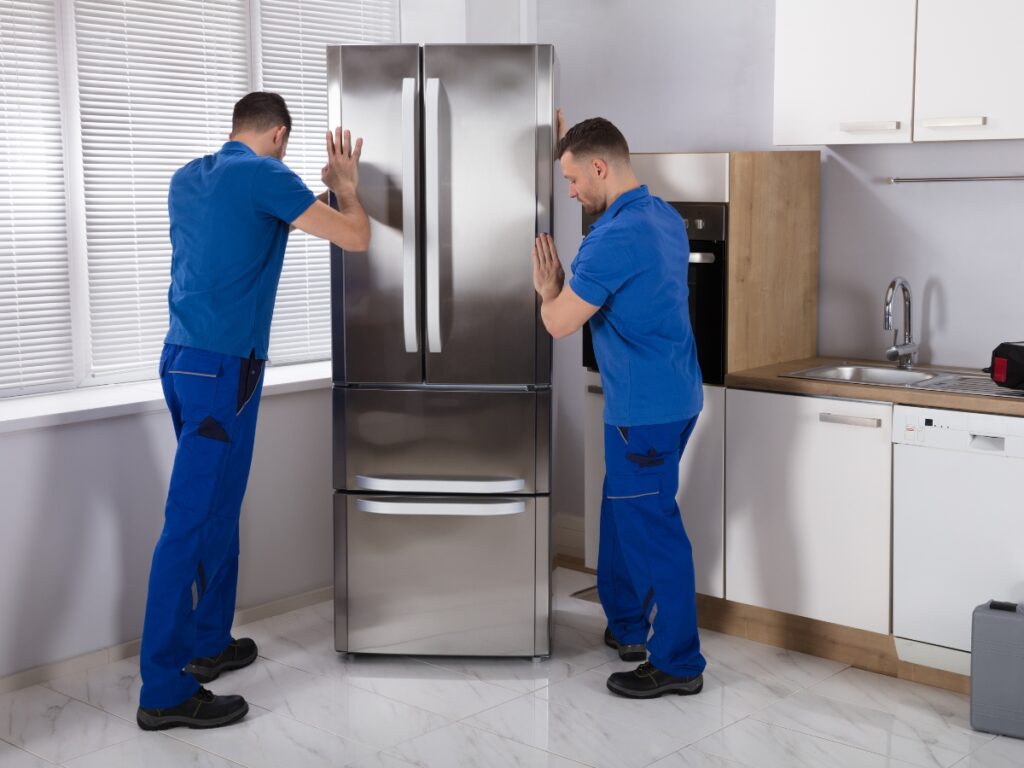
Moving large furniture is easier when you follow a clear process instead of improvising along the way. Heavy lifting techniques are not just about how you carry an item, but also how you prepare, move, and place it. A structured approach helps reduce risk, improve efficiency, and keep the process from becoming overwhelming.
Before lifting anything, take time to assess the situation. Look at the size and weight of each item, the layout of your space, and any obstacles along the path. Small adjustments made early can prevent unnecessary strain later. When heavy lifting techniques are combined with planning, the entire move becomes more controlled and predictable.
How Should DIY Movers Plan And Prepare For Heavy Object Relocation?
Preparation sets the tone for a safe move. Start by identifying which items require extra care and deciding how many people are needed to move them. Clearing pathways is one of the simplest but most important steps. Remove rugs, cords, or clutter that could cause you to trip while carrying something heavy.
It also helps to think ahead about placement. Knowing exactly where each item will go reduces the need to lift and reposition multiple times. This is where planning supports good heavy lifting techniques, since fewer adjustments mean less strain on your body.
Communication is another key part of preparation. If you are working with others, make sure everyone understands the plan before lifting begins. Coordinated movements reduce the chance of uneven weight distribution or sudden shifts.
A few simple preparation habits can make a noticeable difference:
- Clear and measure doorways and tight spaces in advance
- Gather basic equipment such as straps or sliders
- Decide on lifting roles before starting
Taking these steps creates a smoother workflow and allows you to focus on safe movement rather than problem-solving in the moment.
What Are The Recommended Sequential Steps For Moving Large Appliances Safely?
Large appliances require extra attention because of their weight and awkward shape. Following a step-by-step approach helps you stay in control and avoid unnecessary risk.
Start by disconnecting the appliance from any power, gas, or water sources. Make sure cords and hoses are secured so they do not drag or catch while moving. If the appliance has removable parts, take them out or secure them to prevent shifting.
Next, position yourself properly before lifting. Stand close to the item, bend at your knees, and keep your back in a neutral position. These are core heavy lifting techniques that reduce strain and improve balance. Once you have a stable grip, lift slowly and avoid sudden movements.
Using equipment can make a significant difference at this stage. For example, placing an appliance on a dolly allows you to guide it instead of carrying the full weight. This reduces fatigue and helps you maintain better control, especially when navigating tight areas.
As you move, keep your path steady and your pace consistent. If you need to turn, move your feet instead of twisting your body. When placing the appliance down, reverse the lifting motion by bending your knees again rather than leaning forward.
Building Consistency With Heavy Lifting Techniques
Safe moving comes down to consistency. When you apply the same careful approach to each step, you reduce the chance of mistakes and make the process easier overall. Heavy lifting techniques work best when they become second nature, not something you only think about in the moment.
By planning ahead, using proper posture, and moving with intention, homeowners can handle heavy furniture and appliances with more confidence. The goal is not to rush through the move, but to complete it safely and efficiently from start to finish.
How Can Injury Prevention and Back Safety Be Maintained During DIY Moves?

Injury prevention should be a priority whenever you are moving heavy items on your own. Many moving-related injuries happen not because the task is impossible, but because the approach is rushed or poorly planned. By focusing on proper heavy lifting techniques and staying aware of your limits, you can reduce strain and keep the process safer for everyone involved.
Before starting, it helps to warm up your body with light movement. Even a few minutes of stretching can prepare your muscles for lifting. Paying attention to how your body feels throughout the move is just as important. If something feels off, it is better to pause and adjust rather than push through discomfort.
Heavy lifting techniques are most effective when they are applied consistently. That means thinking about posture, movement, and pacing with every item you handle, not just the heaviest ones.
What Common Injuries Occur During Heavy Lifting And How Can They Be Avoided?
The most common injuries during a move include muscle strains, joint sprains, and lower back issues. These often happen when lifting is done too quickly, with poor posture, or without enough support. Overreaching, twisting while carrying weight, and trying to lift more than you can handle are all frequent causes.
Avoiding these injuries comes down to a few practical habits. Start by lifting within your limits and asking for help when needed. There is no benefit to taking unnecessary risks, especially with bulky or awkward items. Using tools such as dollies or sliders can reduce the need to carry weight entirely, which makes a noticeable difference over time.
Another key factor is pacing. Moving heavy items one after another without rest can lead to fatigue, and fatigue often leads to mistakes. Taking short breaks allows your muscles to recover and helps you maintain proper form throughout the move.
A few reminders can help reduce the risk of injury:
- Lift only what you can manage safely
- Take breaks to avoid fatigue and loss of control
- Use equipment to reduce strain when possible
When combined with proper heavy lifting techniques, these habits create a safer and more sustainable approach to moving.
Which Back Safety Tips Are Essential For DIY Movers Handling Heavy Loads?
Back safety plays a central role in any lifting task. The spine is especially vulnerable when weight is handled incorrectly, so maintaining proper alignment is key. One of the most important heavy lifting techniques is keeping a neutral spine, which means your back stays in its natural position rather than rounding forward.
When lifting, bend at your knees and hips instead of your waist. This allows your legs to take on most of the effort, which reduces pressure on your lower back. Keeping the item close to your body also improves balance and prevents unnecessary strain.
It is just as important to think about movement while carrying. Avoid twisting your torso, especially when holding something heavy. If you need to turn, move your feet and keep your shoulders aligned with your hips. This simple adjustment can prevent many common back injuries.
Wearing supportive footwear can also help. Good traction keeps you steady, especially when moving across different surfaces. Slipping or losing balance while carrying weight can quickly lead to injury.
Creating A Safer Moving Experience With Consistent Technique
Safe moving is not about strength alone. It comes from using the right approach every time you lift, carry, and set items down. Heavy lifting techniques provide a foundation for that approach, helping you stay in control and avoid unnecessary risk.
By combining awareness, proper posture, and steady pacing, DIY movers can protect their bodies while still getting the job done efficiently. Over time, these habits become second nature, making each move feel more manageable and less physically demanding.
When Should You Consider Hiring Professionals For Safer Moving?
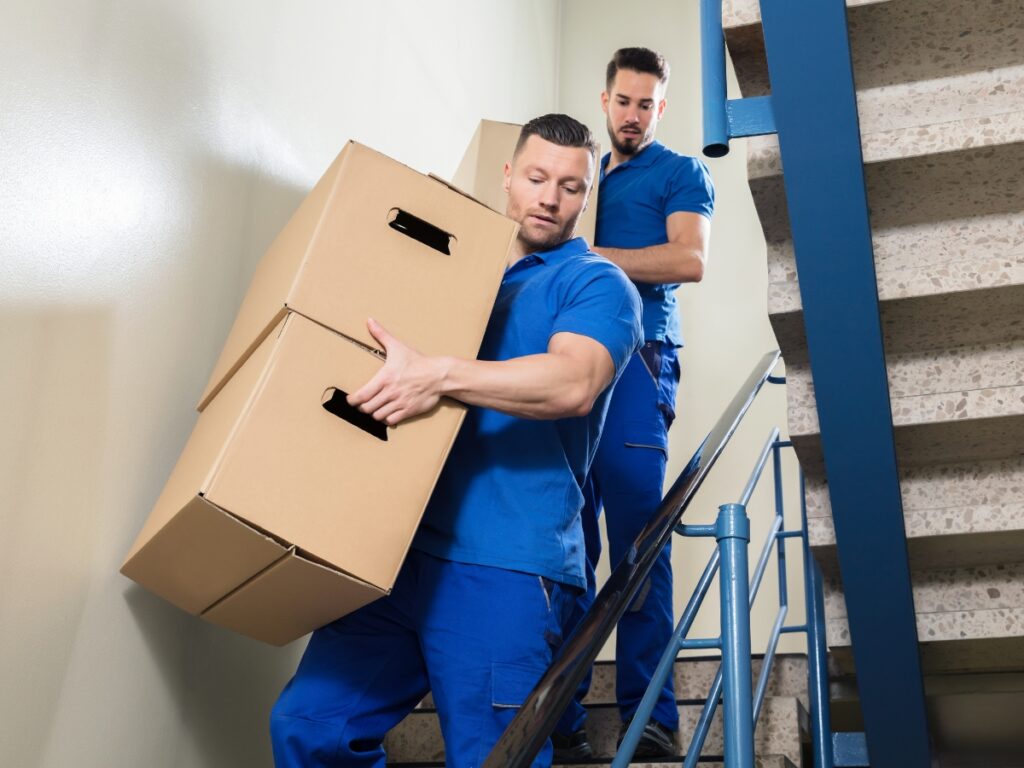
There are times when handling everything on your own may not be the safest or most practical option. Large furniture, tight staircases, or items with unusual weight distribution can quickly make a move more complicated than expected. In these situations, choosing experienced help can reduce both physical strain and the risk of damage.
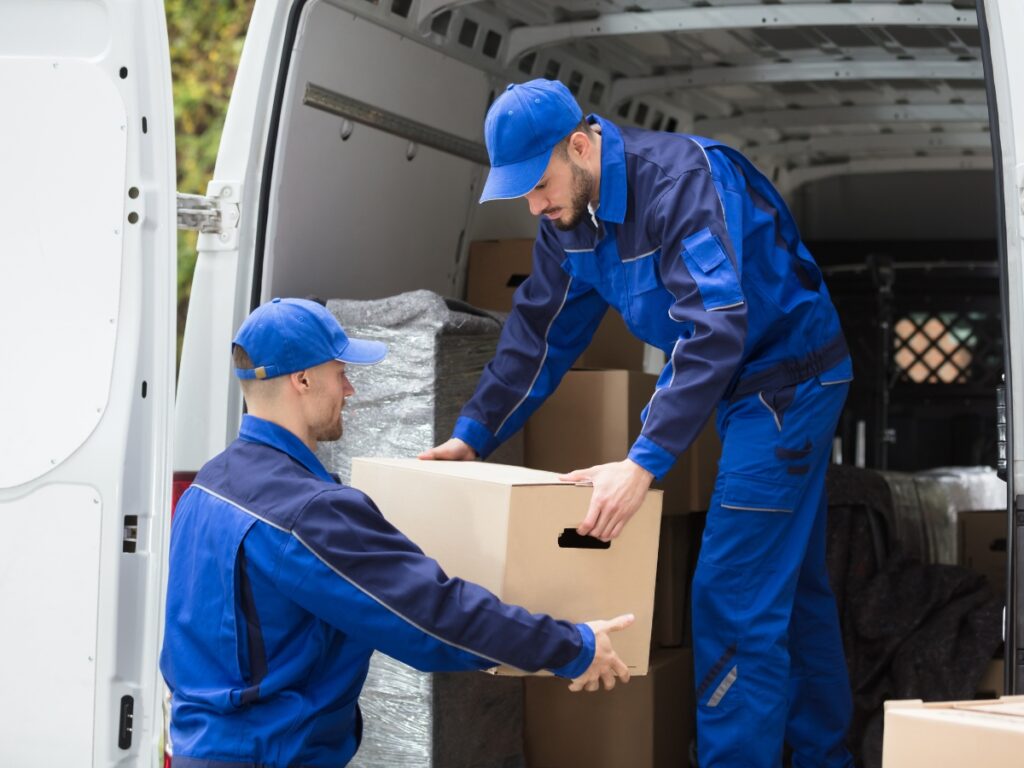
One of the main benefits of working with professionals is their familiarity with proper heavy lifting techniques. They are trained to move bulky items efficiently while maintaining control in challenging spaces. This becomes especially useful when dealing with narrow hallways, multi-level homes, or fragile pieces that require careful handling.
Professional movers also come prepared with the right equipment, which can make a noticeable difference in both speed and safety. Instead of relying on basic tools or improvised methods, they use equipment designed for stability and weight distribution. This allows them to handle heavier loads with less effort and fewer risks.
It is also worth considering how much time and energy a move requires. What may seem manageable at first can become exhausting over the course of a full day.
Fatigue often leads to mistakes, and mistakes during heavy lifting can result in injury or damage. Bringing in experienced help can help avoid these issues and keep the process more controlled from start to finish.
Choosing to work with professionals does not mean giving up control of your move. Instead, it allows you to focus on planning and organization while ensuring that the physical demands are handled safely.
When heavy lifting techniques are applied correctly by trained individuals, the entire experience becomes more efficient and far less stressful.
Choose Atlanta Pack and Load for Safe, Efficient Moving
Mastering proper heavy lifting techniques is essential for DIY movers to avoid injury and protect both themselves and their belongings during a move.
While these fundamentals can help you move safely, a full-scale relocation often requires more time, equipment, and manpower than anticipated. For those ready to leave the heavy lifting to the pros, Atlanta Pack and Load offers expert moving services that prioritize safety and efficiency.
Ready to move without the strain? Call (770) 779-8959 or get a free quote through our site form today. Let our experienced team handle the heavy work so you can focus on settling into your new home.