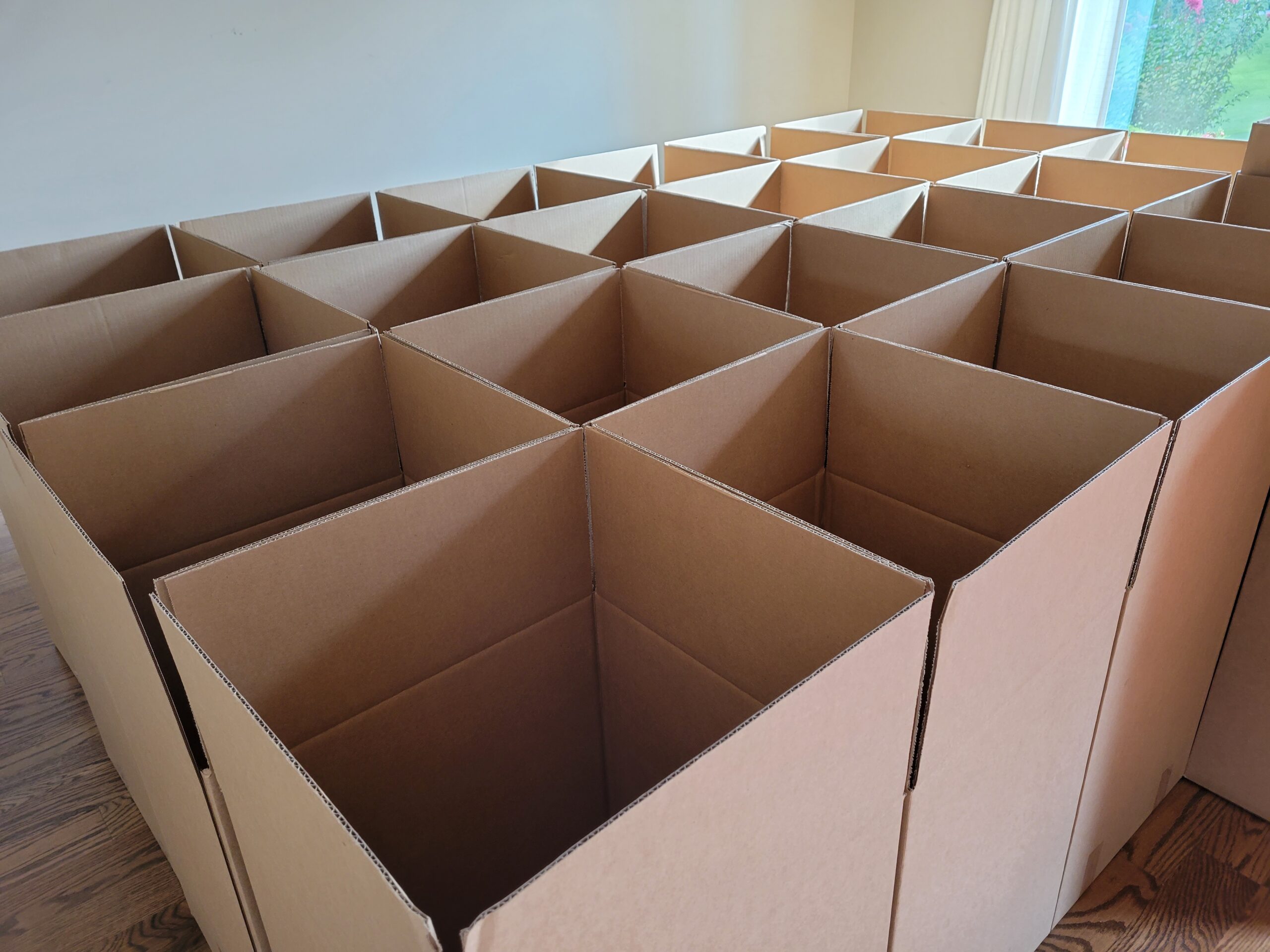
Planning a move can feel overwhelming, but the right packing checklist for moving can turn a stressful process into a clear and manageable plan.
Instead of scrambling at the last minute or guessing what to pack first, a structured checklist helps you stay on track, protect your belongings, and avoid common packing mistakes. With a solid plan in place, you will know exactly what to pack each week, which supplies you need, and how to stay organized from start to finish.
This guide walks you through every step of the packing process. You will learn when to begin packing, how to prepare each room, which materials to use, and how to set aside essentials so moving day goes smoothly.
Whether you are moving across Atlanta or preparing for a long distance relocation, this packing checklist for moving will help you stay confident, efficient, and stress free throughout your entire move.
Learn More About Packing Checklists for Moving
Why You Need a Packing Checklist for Moving
A detailed packing checklist for moving gives you a clear plan to follow so you are not overwhelmed in the weeks leading up to moving day.
Instead of trying to remember every task or rushing at the last minute, a checklist helps you stay organized and confident from start to finish. It also prevents common issues that slow down moving day or lead to damaged items.
Here is why having a packing checklist matters:
- Reduces last minute stress and decision fatigue
A checklist eliminates guesswork and keeps you focused on the right tasks at the right time. - Keeps you on schedule in the weeks before your move
You will know exactly when to start packing, when to gather supplies, and when to prepare each room. - Helps prevent damaged or misplaced items
A structured plan ensures your belongings are packed with care and stored in clearly labeled boxes. - Saves money on supplies and labor
Planning ahead allows you to gather the right materials and avoid unnecessary trips or emergency purchases. - Makes unpacking easier and more efficient
With a clear system, you can settle into your new home faster and without the typical unpacking chaos.
Instead of packing blindly, you simply work through the steps and check items off as you go. A packing checklist for moving becomes the roadmap that keeps your relocation smooth, organized, and stress free.
Moving Timeline: When to Start Packing
A successful move begins with a clear schedule. Following a structured packing checklist for moving keeps you from falling behind and helps you avoid the last minute rush that leads to disorganized boxes, forgotten items, and unnecessary stress. Use this timeline to stay on track and prepare your home efficiently.
6 to 8 Weeks Before Moving Day
Start your packing process early to give yourself enough time to work through each room.
- Create a moving folder for estimates, contracts, receipts, and checklists
- Declutter your home and donate, sell, or discard items you no longer use
- Take inventory of large furniture and specialty items
- Research and book a professional mover such as Atlanta Pack and Load
- Order or gather packing supplies such as boxes, tape, packing paper, and labels
Beginning early sets the foundation for a calm and organized move.
4 to 5 Weeks Before Moving Day
This period is the perfect time to pack items you do not use every day.
- Start packing non essential items
- Label every box clearly with the room name and a brief description of contents
- Create a color coded or numbered labeling system if you prefer extra organization
Packing a little at a time prevents overwhelm and keeps your home manageable.
2 to 3 Weeks Before Moving Day
As moving day gets closer, shift your focus to the majority of your home.
- Pack most rooms, leaving out only daily essentials
- Confirm details with your moving company, including arrival time and addresses
- Arrange child or pet care for moving day
- Set aside a specific area for items you will transport yourself such as documents, medications, or valuables
This step helps you avoid last minute packing and reduces the chance of misplaced items.
1 Week Before Moving Day
At this point, your home should be mostly packed, with only everyday necessities remaining.
- Finish packing everything except the items you will use during your final week
- Deep clean your home or schedule a cleaning service
- Defrost and clean your refrigerator and freezer if you plan to move them
- Disconnect and prepare appliances for the move
Completing these tasks early keeps moving day simple and efficient.
Night Before or Day of the Move
Use this time to pack your essentials and make final preparations.
- Pack your essentials box with everything you will need immediately in your new home
- Charge phones and important devices
- Walk through each room to ensure nothing is left behind
- Keep keys, documents, and valuables with you instead of on the moving truck
Following this timeline ensures your packing checklist for moving stays on track and helps you start moving day fully prepared.
Essential Packing Supplies Checklist
Before you dive into your packing checklist for moving, make sure you have the right supplies on hand.
Quality materials help protect your belongings, speed up the packing process, and reduce the risk of damage during loading, transport, and unloading.
Gathering everything early also helps you avoid last minute store runs and keeps your packing timeline on track.
Basic Packing Supplies
These items form the foundation of a smooth packing experience.
- Small, medium, and large moving boxes
- Heavy duty boxes for books and fragile items
- Wardrobe boxes for hanging clothes
- Packing tape and a sturdy tape dispenser
- Bubble wrap or foam wrap
- Packing paper or unprinted newsprint
- Stretch wrap for furniture, drawers, and loose items
- Moving blankets or furniture pads
These materials help keep your belongings safe and secure from start to finish.
Labeling and Organization
Clear labeling and organization make unpacking faster and help movers place each box in its proper room.
- Permanent markers
- Pre printed room labels such as Kitchen or Bedroom 1
- Color coded stickers or tape for each room
- Zip top bags for screws, hardware, and small parts
- A clipboard or digital list for your master inventory
Staying organized from the start ensures a much smoother setup in your new home.
Protective Materials
These materials add an extra layer of protection for delicate or high value items.
- Mattress bags or covers
- Corner protectors for mirrors and artwork
- Dish or glass dividers
- Furniture sliders for easier movement
Using the right protective supplies keeps your belongings safe during transport and while navigating tight hallways or staircases.
Room by Room Packing Checklist for Moving
Packing room by room helps you stay organized and prevents overwhelm. This structured approach ensures nothing is forgotten and makes unpacking in your new home much easier.
Use this room by room packing checklist for moving to stay efficient and stress free.
Kitchen Packing Checklist
The kitchen often takes the longest to pack, so it is smart to start here.
Pack first (non essential items):
- Decorative dishes and serving platters
- Extra glassware and mugs
- Rarely used appliances such as slow cookers or stand mixers
Pack closer to moving day:
- Everyday dishes, bowls, and cups
- Pots, pans, and cooking utensils
- Pantry items sorted by expiration date
Tips:
- Use small boxes for heavy items such as canned goods or dishware
- Wrap each glass and plate individually with packing paper
- Place heavy items on the bottom of boxes and lighter items on top
Living Room Packing Checklist
The living room is usually filled with fragile and valuable items, so pack with care.
Items to pack:
- Books, magazines, and décor
- Picture frames, artwork, and mirrors
- Lamps and lamp shades packed separately
- Electronics such as TVs, speakers, and gaming systems
Tips:
- Take photos of cable setups before disconnecting electronics
- Use original boxes for TVs and electronics if available
- Wrap artwork and mirrors in bubble wrap and label as fragile
Bedroom Packing Checklist
Bedrooms contain a mix of clothing, linens, and furniture that require different approaches.
Clothing and linens:
- Pack off season clothing first
- Use wardrobe boxes for hanging clothes
- Pack shoes in their own boxes or wrap in pairs
- Box extra bedding, blankets, and pillows
Furniture and décor:
- Empty dresser drawers or secure them if movers advise
- Disassemble bed frames and place hardware in labeled zip top bags
- Pack bedside items, décor, and small electronics
Bathroom Packing Checklist
Bathrooms often contain liquids and personal items that require careful packing.
Pack first:
- Extra towels and linens
- Backup toiletries and bulk items
Pack last (essentials):
- Daily toiletries
- Prescription medications
- Hair dryer or styling tools
Tips:
- Place liquids in sealed plastic bags to prevent leaks
- Use small containers for organizing smaller items
Home Office Packing Checklist
Home offices contain important documents and electronics that need special attention.
Items to pack:
- Important documents kept with you instead of on the truck
- Office supplies
- Computers, monitors, printers, and cables
- Power strips and accessories
Tips:
- Back up important files before packing your computer
- Use padded or original boxes for electronics
Garage and Storage Packing Checklist
Garages often contain heavy, sharp, or irregular items that require careful packing.
Items to pack:
- Tools wrapped and secured
- Sports equipment
- Seasonal décor
- Cleaned outdoor furniture
Safety note:
Do not pack hazardous or flammable items such as fuel, propane tanks, paint, aerosols, or chemicals. Movers cannot transport these items. Ask your moving company for a full list of prohibited materials.
Your Essentials Box for Moving Day
One of the most important parts of any packing checklist for moving is preparing an essentials box, also called a first night box.
This box should stay with you throughout the move so you always have access to the items you need immediately. It helps you settle in quickly without opening multiple boxes the first night in your new home.
What to Include in Your Essentials Box
Pack these items last and keep the box with you rather than loading it onto the moving truck.
Clothing and personal items:
- A change of clothes for one to three days
- Pajamas and comfortable lounging clothes
- Daily toiletries and medications
Electronics and chargers:
- Phone chargers
- Laptop or tablet
- Power strips and extension cords
Important documents:
- IDs and passports
- Lease or closing documents
- Insurance information
- Medical records or prescriptions
Food and basic kitchen items:
- Snacks and bottled water
- Disposable plates, cups, and utensils
- Coffee or tea supplies if needed
Tools and cleaning supplies:
- Basic tools such as a screwdriver or scissors
- Utility knife for opening boxes
- Cleaning wipes or paper towels
- Toilet paper
Keeping these items accessible helps you stay comfortable and organized as you transition into your new home. This simple step alone makes a major difference on moving day.
Special Items: How to Pack Fragile, Valuable, and Bulky Belongings
Some items require extra care and the right packing method to keep them safe during your move. Use this part of your packing checklist for moving to prepare fragile, valuable, and oversized belongings so they stay protected from bumps, shifts, and temperature changes.
Fragile Items
Fragile belongings such as glassware, china, and decorative pieces need careful wrapping and cushioning.
- Wrap each item individually with packing paper or bubble wrap
- Line the bottom and top of each box with extra padding
- Fill empty spaces to prevent items from shifting
- Label the box on all sides with Fragile and This Side Up
These steps help reduce the risk of breakage and keep delicate items safe throughout the move.
Electronics
Electronics are sensitive to impacts and should be packed with extra cushioning.
- Use original packaging whenever possible
- Wrap components separately and add padding between items
- Keep remotes, cables, and manuals in labeled zip top bags
- Place electronics upright and clearly mark them as fragile
If you own expensive equipment, consider transporting it in your personal vehicle for added peace of mind.
Artwork and Mirrors
Artwork and mirrors have delicate surfaces that should be protected from cracks, scratches, or dents.
- Use mirror or picture boxes designed for these items
- Wrap each piece with bubble wrap or foam
- Add corner protectors if available
- Label boxes as Fragile and note the correct orientation
These steps help ensure your artwork and framed pieces arrive safely.
Large Furniture
Large pieces can easily be damaged if they are not secured properly.
- Disassemble furniture when possible to make it easier to move
- Wrap furniture with moving blankets or stretch wrap
- Place screws and hardware in labeled bags and tape them to the furniture
- Communicate with your movers about any oversized or heavy pieces
A professional moving company such as Atlanta Pack and Load can handle bulky items with the right equipment and techniques to prevent damage.
Common Packing Mistakes to Avoid
Even with a solid packing checklist for moving, it is easy to make mistakes that lead to stress, damaged items, or extra costs. Being aware of these common errors will help you avoid unnecessary problems and keep your move running smoothly.
Waiting Too Long to Start Packing
Procrastination leads to rushed, unorganized boxes and a chaotic moving day. Starting early gives you time to sort, label, and pack with care.
Using Boxes That Are Too Large and Heavy
Large boxes filled with heavy items are difficult to carry and more likely to break. Use small boxes for books, dishes, canned goods, and other dense items.
Not Labeling Boxes Clearly
Unlabeled boxes slow down both loading and unpacking. Label each box with the room name, a short description of what is inside, and priority if needed.
Packing Prohibited or Hazardous Items
Items such as chemicals, fuel, aerosols, propane tanks, and flammable liquids cannot be transported by movers. Keep these items separate and dispose of them properly before moving day.
Skipping Insurance or Valuation Coverage
Without appropriate coverage, you may not be protected if something is lost or damaged. Always review your mover’s valuation options and choose the one that best fits your needs.
Knowing what to avoid is just as important as knowing what to pack. These reminders will help you follow your packing checklist for moving with more confidence and less stress.
When to Hire Professional Packers and Movers
Using a detailed packing checklist for moving can make the process more manageable, but there are times when hiring professional packers and movers is the best choice.
If you are facing a tight deadline, juggling work and family responsibilities, or simply want a smoother and more efficient moving experience, professional help can save you time, energy, and stress.
Signs You Should Consider Professional Packing Services
You may benefit from hiring professional packers if:
- You have a large home or many years of accumulated belongings
- Your schedule is too busy to pack everything yourself
- You own fragile, high value, or specialty items that need expert handling
- You are preparing for a long distance move and want maximum protection
- You want to avoid the physical strain of packing and lifting
Professionals bring experience and efficiency that can speed up the entire process and reduce the risk of damaged items.
What Full Service Movers Can Handle for You
A full service moving company like Atlanta Pack and Load can take care of the most time consuming parts of your move. Their team can:
- Provide all packing materials and supplies
- Pack your home room by room using proven techniques
- Label and inventory boxes for easier unpacking
- Load, transport, and unload your belongings safely
- Coordinate packing, moving, storage, or disposal services as needed
Choosing professional support allows you to focus on your family, your work, and the transition into your new home while experts manage the details.
Use This Packing Checklist for Moving to Simplify Your Next Move
A smooth, stress free move starts with a clear plan. By following this packing checklist for moving, you will know exactly what to do each week before moving day, how to organize each room, and which supplies you need to protect your belongings.
A structured approach helps prevent damage, reduces last minute decisions, and makes both packing and unpacking far more manageable.
Instead of rushing or guessing, you can move confidently, stay on schedule, and stay in control from start to finish. With the right preparation, your move can be an organized and positive experience.
If you want additional help or prefer not to pack everything yourself, professional support is always available.
Ready to Make Your Next Move Stress Free
If you want a more efficient move to Georgia or anywhere in the country, Atlanta Pack and Load can help you with packing, loading, storage, and full service moving solutions. Their experienced team can handle the details so you can focus on settling into your new home.
Contact Atlanta Pack and Load today for a personalized quote and let their experts make your next move easier.
FAQs About Moving in Atlanta
1. When should I start packing for a move in Atlanta
Most people should begin following a packing checklist for moving about six to eight weeks before their moving date. This timeline gives you enough room to declutter, gather supplies, and pack in stages without feeling rushed. Starting early is especially helpful during busy seasons in Atlanta when schedules can fill up quickly.
2. How far in advance should I book movers in Atlanta
Booking four to six weeks in advance is ideal for most local moves. For long distance moves or larger homes, consider scheduling even earlier to secure your preferred date. Summer, weekends, and end of month moves are in high demand in Atlanta, so advance planning is important.
3. What should I not pack for a professional move
Avoid packing prohibited or hazardous items such as gasoline, propane tanks, paints, chemicals, aerosols, or fireworks. Movers are not allowed to transport these items. Valuables such as jewelry, cash, important documents, and personal electronics should also be kept with you rather than placed on the truck.
4. Do I need different packing supplies for a local vs long distance move
The core supplies are the same, but long distance moves benefit from extra sturdy boxes, additional cushioning materials, and careful labeling. Belongings will spend more time in transit, which means they require greater protection. A detailed packing checklist for moving helps ensure everything is properly prepared for any distance.
5. Can Atlanta movers help with packing only
Yes. Many Atlanta moving companies provide packing only services for homeowners who want help with the most time consuming part of the move. Professional packers can arrive with all necessary materials, pack your home efficiently, and prepare everything for transport, even if you plan to handle the actual moving yourself.