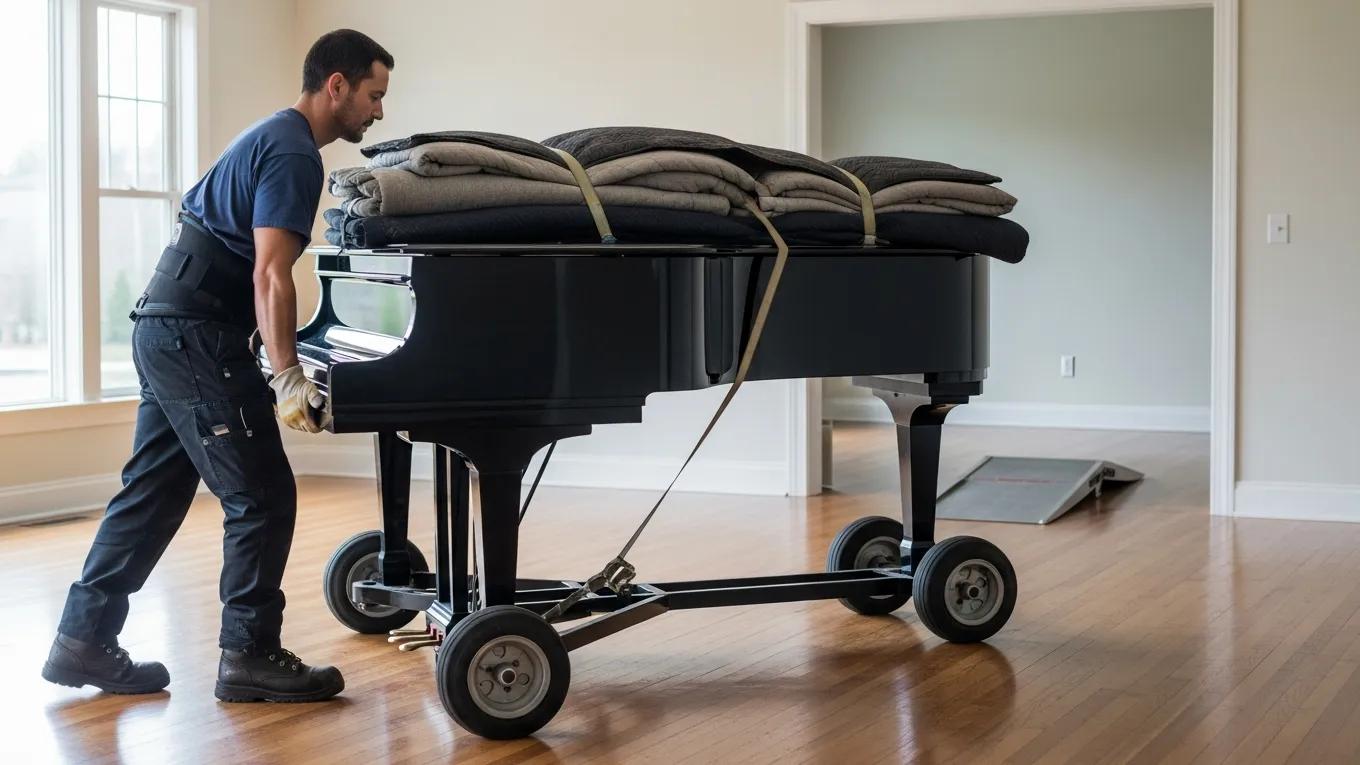
Few household items are as challenging to move as a piano. Beyond its weight, a piano contains thousands of delicate internal components that can be damaged by improper lifting, shifting, or transportation. What may look like a straightforward move can quickly become risky without the right preparation and equipment.
Special items moving tips for transporting a piano safely focus on protecting both the instrument and the people moving it. Factors like size, weight distribution, stairways, doorways, and vehicle loading all require careful planning. Even minor mistakes can result in costly damage or serious injury.
Understanding the proper techniques and precautions can help ensure your piano arrives at its new location safely, securely, and ready to be enjoyed for years to come.
Why Pianos Require a Special Items Moving Approach
Expert Tips For Safe Transport Of Pianos And Other Specialty Items
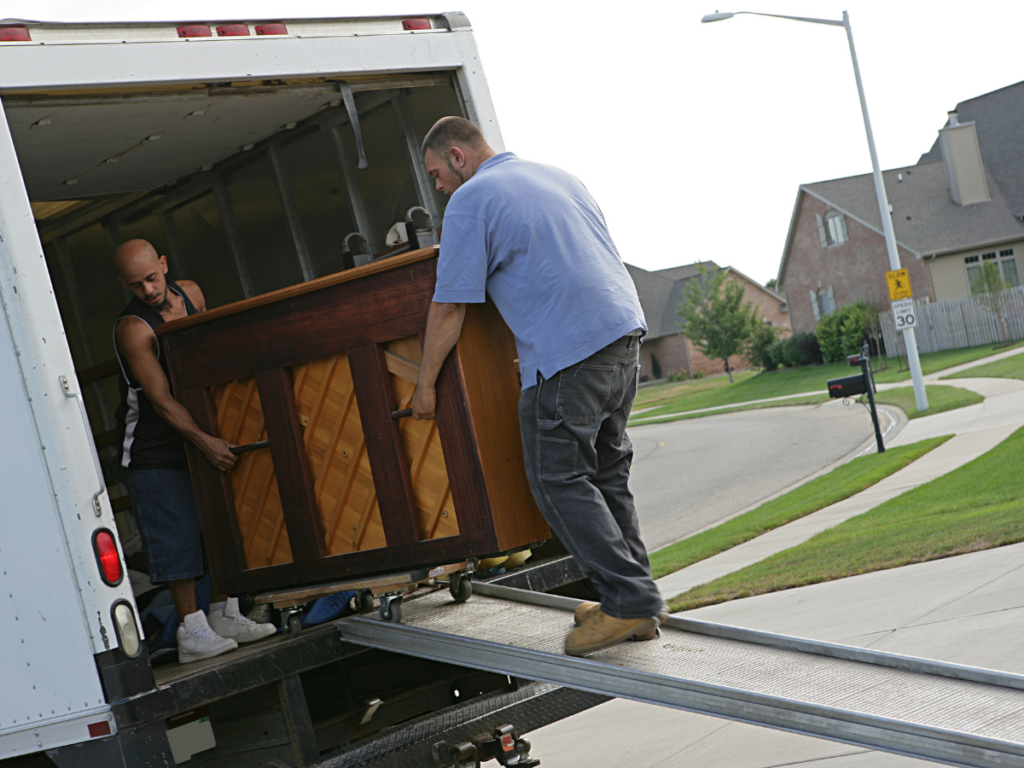
Moving large, valuable, or delicate belongings requires careful planning and attention to detail. Whether you’re relocating a piano, antique furniture, artwork, or other high-value possessions, successful special items moving depends on using the right techniques and preparing the space in advance.
Taking a thoughtful approach helps reduce the risk of injury while protecting both the item being moved and the property around it.
One of the first steps is assessing the environment before the move begins. Walk through the entire route the item will travel, paying close attention to doorways, staircases, tight corners, and hallways.
Measuring these areas ahead of time can help identify potential challenges and prevent surprises on moving day. For specialty items such as pianos, even a few inches of clearance can make a significant difference.
Evaluate The Moving Path Before Lifting
Preparation plays a major role in successful special items moving. Before any lifting takes place, movers should ensure that pathways are completely clear. Removing rugs, furniture, decorations, and other obstacles creates a safer environment and allows for smoother movement through the home.
It is also important to consider flooring surfaces. Hardwood, tile, and carpet can each present different challenges when moving heavy items. Protective floor coverings may help prevent scratches, dents, and other damage during transport.
Taking the time to evaluate the route in advance helps movers anticipate difficult areas and develop a plan before the item is in motion.
Use Proper Lifting And Handling Techniques
Heavy specialty items require more than strength alone. Proper lifting techniques help reduce the risk of injury while providing better control throughout the move.
When lifting, the force should come from the legs rather than the back. Keeping the load close to the body and maintaining good posture helps distribute weight more safely. Sudden twisting motions should be avoided, especially when handling oversized or awkwardly shaped objects.
For large items such as pianos, teamwork is essential. Coordinated communication between movers ensures that everyone moves together and reacts quickly to changes in direction or terrain.
This is one reason professional movers often rely on specialized equipment and trained crews when handling delicate or unusually heavy belongings.
Protect Valuable Items During Transport
Protection is another key consideration during special items moving. Pianos, antiques, and other valuable possessions should be wrapped with appropriate padding, moving blankets, or protective coverings before transport begins.
This helps prevent scratches, dents, and cosmetic damage that can occur when navigating narrow spaces. For pianos specifically, securing moving parts such as lids and pedals can provide additional protection.
The goal is not only to prevent external damage but also to minimize unnecessary movement that could affect the instrument’s condition. Properly securing items inside the moving vehicle is equally important. Shifting during transit can cause damage even if the item was safely moved out of the home.
Know When Professional Assistance Is Worthwhile
While some household items can be moved without much difficulty, specialty items often require additional expertise. Pianos, large safes, fine art, and antique furniture present unique challenges due to their size, weight, value, or fragility.
Professional movers experienced in special items moving understand how to navigate difficult spaces, use specialized equipment, and protect valuable belongings throughout the process. Their training can significantly reduce the risks associated with transporting heavy or delicate items.
Planning Leads To Safer Moves
Successful transport begins long before the item is lifted. By evaluating the route, clearing pathways, using proper lifting techniques, and protecting valuable possessions, homeowners can make the moving process safer and more efficient.
Whether you’re relocating a piano across town or transporting treasured family heirlooms to a new home, careful preparation remains one of the most important factors in successful special items moving.
A well-planned approach helps preserve the condition of your belongings while reducing stress throughout the relocation process.
Essential Equipment For Moving Pianos And Other Specialty Items
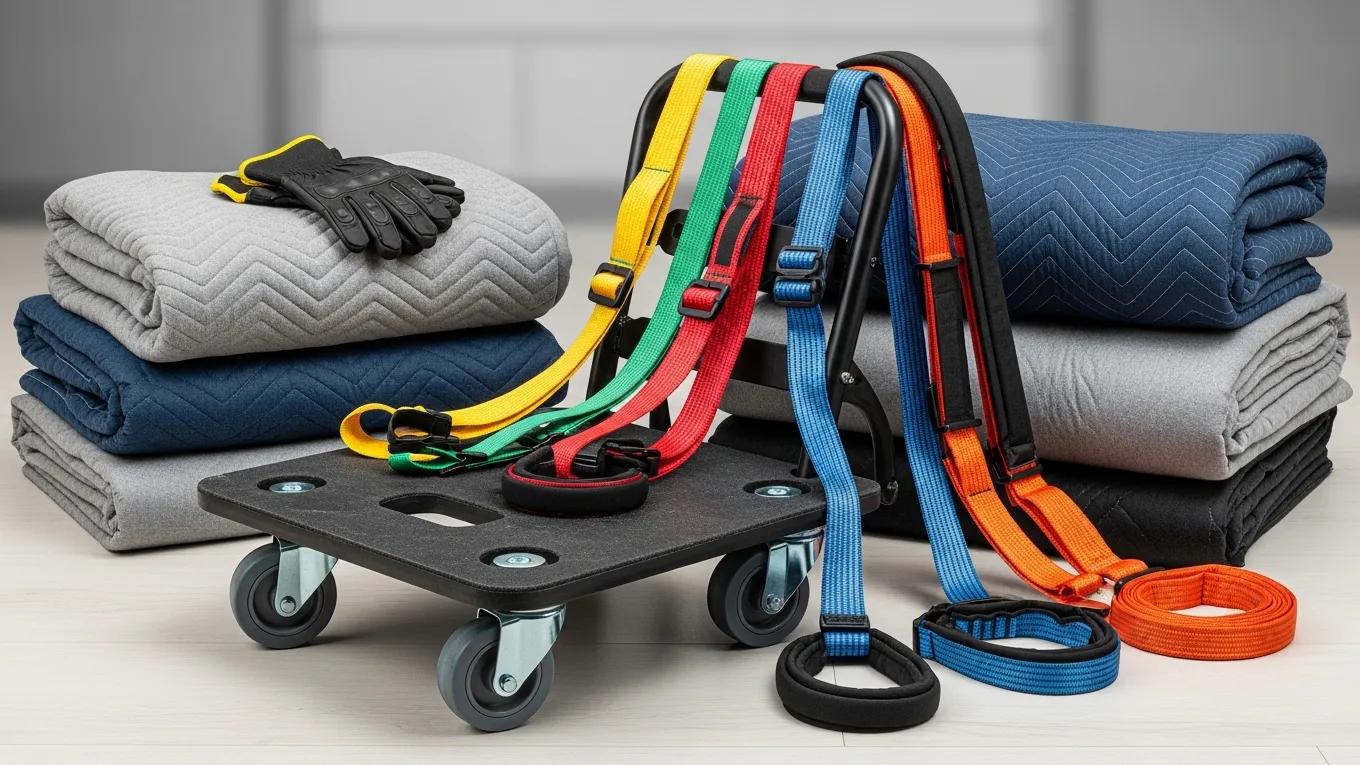
One of the biggest factors in successful special items moving is having the right equipment available before the move begins. While experience and planning are important, specialized tools help protect valuable belongings, reduce physical strain, and make the entire process safer for everyone involved.
Heavy and delicate items such as pianos require more than basic moving supplies. Their size, weight, and unique shape create challenges that standard household equipment may not be able to handle.
Using professional-grade tools allows movers to maintain better control throughout transport while minimizing the risk of damage.
Why Specialized Moving Equipment Matters
The purpose of moving equipment goes beyond convenience. Proper tools help distribute weight evenly, improve maneuverability, and protect both the item being moved and the surrounding property.
For example, attempting to move a piano without the proper support can place significant stress on the instrument’s frame and legs. It can also increase the likelihood of injuries among movers. In contrast, specialized equipment is designed specifically to handle heavy loads safely and efficiently.
This is why professional crews involved in special items moving rely on equipment that supports both safety and precision during every stage of the relocation process.
Key Tools Used During Piano Moves
A piano dolly is one of the most important pieces of equipment for transporting large instruments. Designed to support substantial weight, it allows movers to transport a piano across flat surfaces with greater control and significantly less physical effort.
Using a dolly helps reduce strain on movers while improving stability throughout the move.
Lifting straps are another valuable tool. These straps help distribute weight more evenly among team members, making it easier to lift and maneuver heavy objects through tight spaces.
Properly used lifting straps can reduce the risk of back injuries and provide better control when navigating stairs, ramps, or uneven surfaces.
Moving blankets are equally important. These thick protective coverings help prevent scratches, dents, and surface damage during handling and transportation. Whether moving a piano, antique furniture, or other delicate possessions, blankets create a protective barrier between the item and surrounding surfaces.
Protecting Valuable Items During Transport
Equipment used in special items moving is not only intended to help movers. It also plays a critical role in protecting valuable belongings.
Pianos, for example, often feature polished finishes that can be easily damaged by accidental contact with walls, door frames, or moving equipment. Wrapping the instrument with moving blankets before transport helps preserve its appearance while reducing the risk of cosmetic damage.
Similarly, securing items properly inside the moving truck prevents unnecessary shifting during transit. Specialized tie-down systems and support equipment help keep heavy objects stable throughout the journey, reducing the chance of damage caused by movement or vibration.
Choosing The Right Equipment For The Job
Not all specialty items require the same equipment. The tools needed to move a grand piano may differ from those used for antiques, artwork, safes, or oversized furniture. The key is selecting equipment that matches the item’s size, weight, and fragility.
Experienced movers evaluate each situation individually and determine which tools are necessary for safe transport. This customized approach is one reason professional special items moving services are often recommended for high-value or difficult-to-move possessions.
Proper Equipment Improves Safety And Efficiency
Successful moves depend on preparation, expertise, and the right tools. Equipment such as piano dollies, lifting straps, and moving blankets helps simplify the process while reducing the risk of injury and damage.
Whether relocating a piano, antique furniture, or another valuable possession, investing in proper equipment is one of the most important steps in special items moving. With the right tools and careful planning, even the most challenging items can be transported safely and efficiently from one location to another.
Best Practices For Handling Pianos During A Move

Pianos are among the most challenging household items to relocate. Their combination of size, weight, delicate internal components, and sentimental or financial value makes them a unique category within special items moving.
Unlike standard furniture, a piano requires careful planning, proper equipment, and a coordinated approach to ensure it arrives safely at its new location.
Whether you’re moving across town or to a different state, following proven handling practices can significantly reduce the risk of damage to both the instrument and the property around it.
Why Piano Moving Requires Special Care
A piano may appear sturdy from the outside, but its internal components are highly sensitive. Thousands of moving parts work together to produce sound, and even minor impacts during transport can affect performance.
In addition, pianos often weigh several hundred pounds, making them difficult to maneuver through narrow hallways, staircases, and doorways.
Because of these challenges, piano relocation is one of the most specialized aspects of special items moving. Proper preparation helps protect the instrument while reducing safety risks for everyone involved.
Consider Professional Piano Movers
One of the most effective ways to protect a piano during relocation is to work with movers who have experience handling specialty items. Professional piano movers understand the unique challenges associated with different piano styles, including upright, baby grand, and grand pianos.
Experienced crews use specialized equipment and proven techniques to move instruments safely through difficult spaces. They also understand how to secure pianos properly during transportation, reducing the likelihood of damage caused by shifting or vibration.
For many homeowners, hiring professionals provides peace of mind that the instrument will be handled correctly from start to finish.
Disassemble Components When Appropriate
Certain piano models allow for the removal of specific components before transport. Legs, pedals, music stands, and other detachable parts can often be carefully removed to reduce the instrument’s size and make maneuvering easier.
Disassembly also helps protect vulnerable components from damage during loading and unloading. Once removed, these pieces should be individually wrapped and secured to prevent scratches or impacts during transit.
Not every piano should be disassembled, however. Understanding which components can be safely removed is an important part of successful special items moving and may require professional guidance.
Establish Clear Communication During The Move
Moving a piano safely requires coordination among everyone involved. Before lifting begins, the team should review the route, identify potential obstacles, and establish clear communication procedures.
When navigating stairs, tight corners, or uneven surfaces, every mover should understand their role and know how to respond to changing conditions. Simple verbal cues and coordinated movements help prevent sudden shifts in weight that could lead to accidents or damage.
Effective communication becomes even more important when handling particularly large or valuable specialty items.
Prepare The Moving Environment
A successful piano move starts with preparation. Before moving day, clear hallways, entryways, and staircases of any obstacles. Removing furniture, rugs, and decorative items helps create a safer and more efficient path.
It is also helpful to measure doorways and tight spaces in advance. Identifying potential clearance issues ahead of time allows movers to develop a plan before the piano is in motion.
These preparation steps are a key part of special items moving because they reduce unnecessary risks and help prevent delays during transport.
Protecting Your Piano Throughout The Journey
Proper wrapping and padding are essential during transport. Moving blankets, protective covers, and securing straps help shield the piano from scratches, dents, and other damage. Once loaded into the moving vehicle, the instrument should be firmly secured to prevent movement during transit.
By combining careful planning, professional handling techniques, and proper protection, homeowners can significantly reduce the risks associated with piano relocation.
Pianos represent both a financial investment and a cherished possession for many families. Following these best practices ensures that this valuable instrument remains protected throughout the special items moving process and arrives ready to be enjoyed in its new home.
How Do Piano Types Affect Moving Requirements?
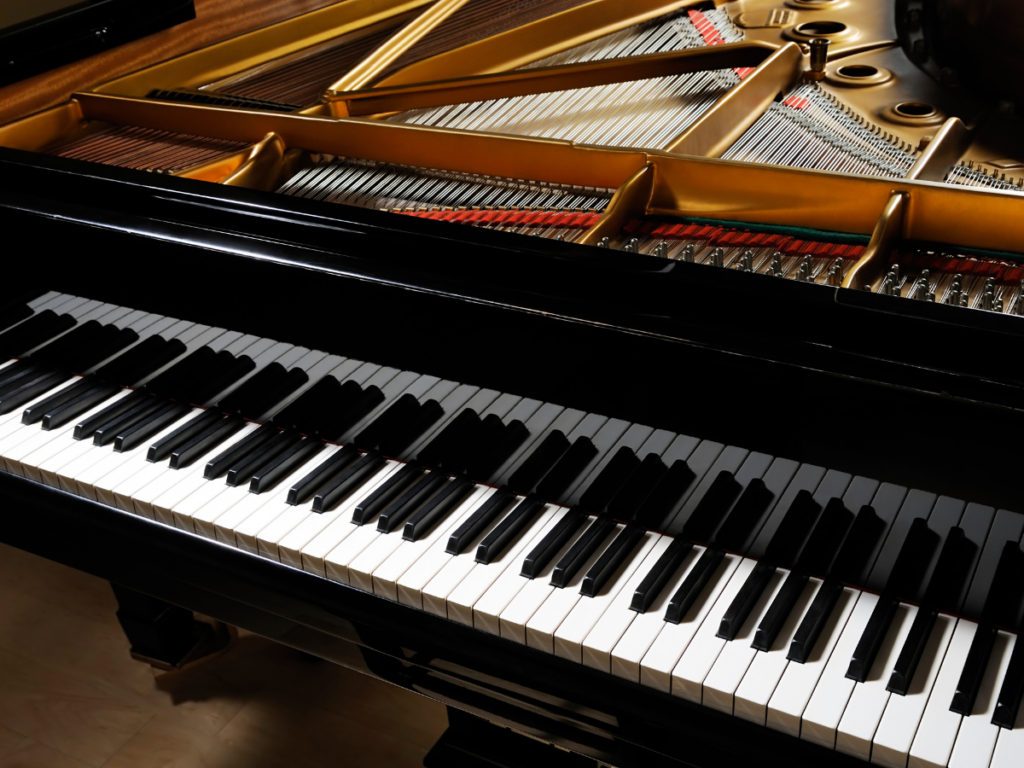
Not all pianos are moved the same way. The size, weight, shape, and construction of the instrument can significantly influence the planning, equipment, and manpower required for a successful relocation.
Understanding these differences is an important part of special items moving, as it helps ensure the piano is transported safely while minimizing the risk of damage.
Before moving day, it’s helpful to identify the specific type of piano being relocated. This information allows movers to determine the safest handling methods, select the appropriate equipment, and anticipate potential challenges such as narrow doorways, staircases, or tight corners.
Moving Grand Pianos Requires Additional Planning
Grand pianos are among the most complex items to transport. Their large footprint, significant weight, and delicate construction require careful preparation and specialized handling techniques.
In most cases, portions of a grand piano must be partially disassembled before transport. Components such as the legs, pedals, and music stand are often removed to make the instrument easier to maneuver and protect vulnerable parts during the move.
Once disassembled, each piece must be carefully wrapped and secured to prevent scratches or structural damage. Because of their size and weight, grand pianos typically require additional movers and specialized equipment.
Moving dollies, lifting straps, protective padding, and secure transport methods all play an important role in successful special items moving involving these larger instruments.
Upright Pianos Present Different Challenges
While upright pianos are generally more compact than grand pianos, they should not be considered easy to move. Many upright models still weigh several hundred pounds and contain delicate internal mechanisms that can be affected by improper handling.
The primary challenge with upright pianos is their concentrated weight. Much of the piano’s mass is distributed vertically, which can make balance and stability important considerations during transport. Careful lifting techniques and proper equipment help ensure the piano remains secure throughout the move.
Upright pianos are often easier to navigate through doorways and hallways due to their smaller footprint, but they still require the same level of protection and planning as other specialty items.
Size And Weight Influence Moving Strategies
The type of piano directly impacts the moving strategy that should be used. Larger instruments may require additional crew members, specialized vehicles, or alternative entry points to complete the move safely.
Smaller pianos may be easier to maneuver but still demand careful handling to protect their finish and internal components. During special items moving projects, professionals often evaluate several factors before creating a relocation plan, including:
- Piano dimensions
- Total weight
- Accessibility of the property
- Staircases and elevation changes
- Doorway and hallway clearances
- Loading and unloading requirements
These details help determine the safest and most efficient approach for the move.
Choosing The Right Approach For Your Piano
Whether you’re moving a compact upright piano or a large concert grand, understanding the instrument’s unique requirements is essential. Different piano styles demand different handling techniques, equipment, and levels of preparation.
A successful move begins with identifying the piano type and developing a transportation plan that accounts for its specific characteristics. This attention to detail helps protect the instrument’s structural integrity and reduces the risk of damage during transit.
Because pianos are among the most delicate and valuable household items, they remain one of the most common examples of special items moving. Taking the time to understand the requirements of your specific piano can make the relocation process safer, smoother, and far less stressful.
Why Is Specialized Equipment Essential For Heavy Item Moving?
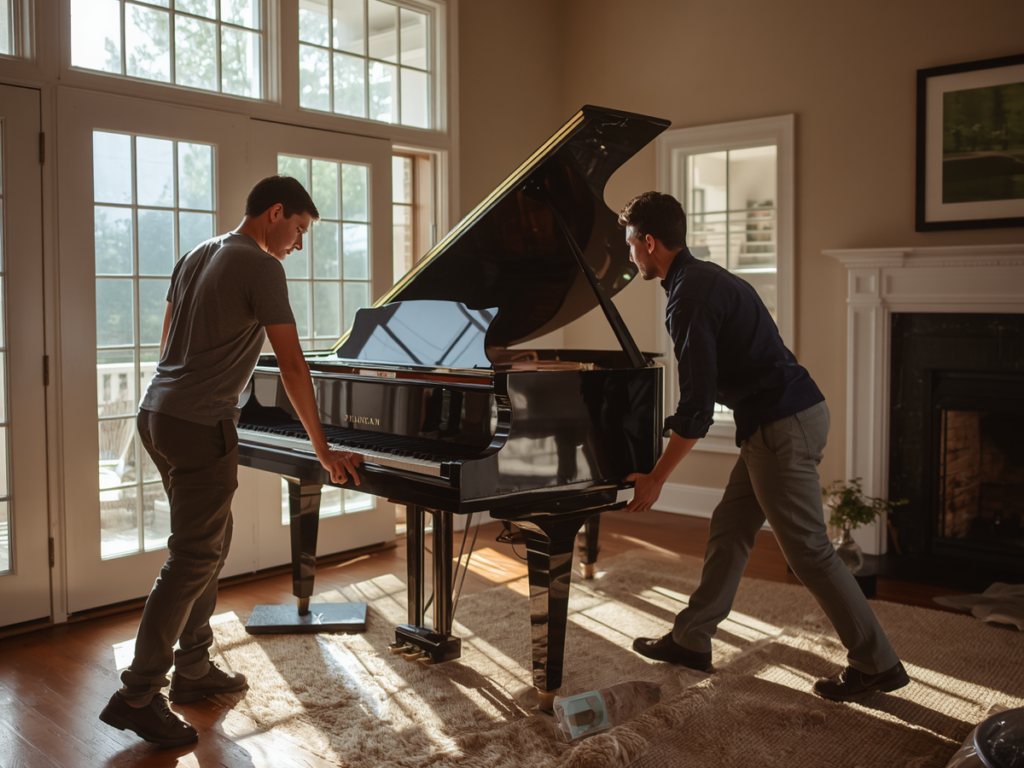
Moving heavy and valuable belongings requires more than manpower alone. Whether transporting a piano, safe, antique cabinet, or other oversized possession, the right equipment plays a critical role in protecting both the item and the people handling it.
In the world of special items moving, specialized tools are often the difference between a smooth relocation and a costly accident.
Heavy objects can be difficult to maneuver through doorways, staircases, hallways, and loading areas. Without the proper equipment, movers may struggle to maintain control, increasing the likelihood of injuries, property damage, or harm to the item itself.
Specialized moving tools are designed to manage these challenges by improving stability, reducing physical strain, and providing greater control throughout the process.
Reducing The Risk Of Injury During Heavy Moves
One of the primary reasons specialized equipment is so important is worker safety. Heavy items often place significant stress on the back, shoulders, knees, and joints when lifted incorrectly. Even experienced movers can face unnecessary risks when attempting to relocate large objects without the proper tools.
Equipment such as dollies, lifting straps, ramps, and furniture skids helps distribute weight more evenly and reduces the amount of force required to move heavy objects.
This allows movers to maintain better posture and control while minimizing the risk of strains, sprains, and other common moving injuries. In special items moving, safety is always a top priority because even a minor loss of balance can lead to damage or personal injury.
Protecting Delicate And Valuable Possessions
Many specialty items are not only heavy but also highly fragile. Pianos, antiques, artwork, and collectibles often contain delicate components that can be damaged by sudden movements, impacts, or improper handling.
Specialized equipment helps prevent these problems by securing items during transport and reducing unnecessary movement. Moving blankets, protective padding, custom dollies, and tie-down systems all work together to safeguard valuable belongings throughout the relocation process.
For example, a piano’s internal components can be affected by excessive vibration or shifting during transport. Proper equipment helps keep the instrument stable while protecting its finish and structural integrity.
Improving Efficiency And Control
Specialized moving equipment also improves efficiency. Large items can often be relocated more quickly and safely when movers have access to the appropriate tools. Equipment designed specifically for heavy lifting allows teams to navigate tight spaces, uneven surfaces, and challenging layouts with greater precision.
This level of control is particularly important in special items moving, where a single mistake can result in expensive repairs or replacement costs. Professional movers rely on proven equipment because it allows them to work more effectively while maintaining high safety standards.
Why Professional Movers Use Specialized Equipment
Experienced moving companies understand that every specialty item presents unique challenges. A grand piano requires a different approach than a large safe or antique armoire. Professional movers evaluate each item and select equipment based on its size, weight, shape, and fragility.
This customized approach helps ensure that valuable possessions receive the protection they need throughout the moving process. It also allows movers to adapt to different environments, whether they are navigating stairs, narrow hallways, elevators, or uneven outdoor surfaces.
The Value Of Proper Preparation
Successful special items moving depends on careful planning, skilled handling, and the right equipment. Specialized tools help reduce injuries, improve efficiency, and protect valuable belongings from damage during every stage of the move.
While it may be tempting to rely on basic moving supplies, heavy and delicate items often require a higher level of preparation. Investing in proper equipment or working with professionals who already have it can help ensure that specialty items arrive safely and securely at their new destination.
How Can Customers Prepare And Protect Their Piano Before Moving?
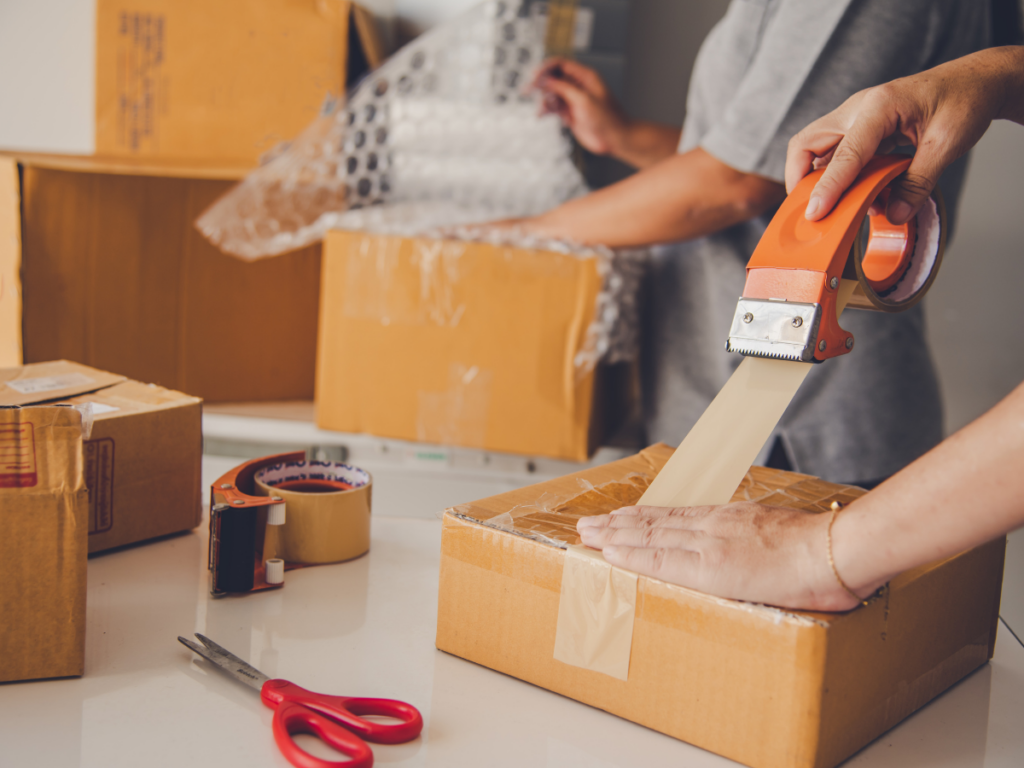
Proper preparation can make a significant difference when relocating a piano. Because pianos are both heavy and delicate, taking a few protective measures before moving day can help reduce the risk of damage and make the entire process more efficient.
In the context of special items moving, preparation is often just as important as the move itself.
Protect The Piano Before Transport
One of the first steps is protecting the piano’s exterior from scratches, dents, and other cosmetic damage. Professional movers typically use moving blankets, padded covers, and protective wrap to create a barrier between the piano and potential hazards during transport.
If you are preparing the instrument in advance, make sure the piano is thoroughly dusted and cleaned before wrapping it. Dirt and debris trapped beneath protective materials can sometimes cause scratches when the piano is moved.
Carefully covering the instrument helps preserve its finish while providing added protection throughout the relocation process.
Secure Moving Parts And Accessories
Pianos contain numerous components that can shift during transport if they are not properly secured. The keyboard lid should be closed and locked if possible. Any removable music stands, benches, or accessories should be packed separately to prevent unnecessary strain on the instrument.
For grand pianos, professional movers may remove and secure components such as the legs or pedals to make transportation safer and more manageable. This is one reason why special items moving often requires specialized knowledge and equipment rather than a standard moving approach.
Create A Safe Environment Before Moving Day
Preparation extends beyond the piano itself. Before movers arrive, take time to clear hallways, staircases, entryways, and driveways of any obstacles that could interfere with the moving process.
Removing rugs, furniture, and decorative items helps create a safer path and reduces the chance of accidental damage. It’s also helpful to measure doorways and tight spaces ahead of time. This allows movers to plan the safest route and avoid surprises on moving day.
Protect Against Temperature And Humidity Changes
Pianos are sensitive to environmental conditions, particularly sudden changes in temperature and humidity. Excessive heat, cold, or moisture can affect the wood, strings, and internal components of the instrument.
Whenever possible, keep the piano in a climate-controlled environment before and after the move. If the instrument will be transported during extreme weather, discuss protective measures with your movers to minimize exposure.
Allowing the piano to gradually adjust to its new environment can also help reduce stress on the instrument once it reaches its destination.
Work With Experienced Piano Movers
Even with careful preparation, moving a piano remains a complex task. These instruments can weigh several hundred pounds and require specialized handling techniques to avoid damage.
Professional movers who specialize in special items moving understand how to properly secure, transport, and position pianos of all sizes.
Their experience can help prevent common issues such as shifting during transit, damage to internal components, or injuries caused by improper lifting techniques.
For many homeowners, partnering with experienced professionals provides added peace of mind when relocating such a valuable item.
Preparing For A Successful Move
A successful piano relocation begins well before moving day. Protecting the instrument with proper padding, securing loose components, creating clear pathways, and maintaining a stable environment all contribute to a safer move.
These simple but important steps help ensure that your piano arrives at its new location in excellent condition, ready to be enjoyed for years to come.
How Does Atlanta Pack And Load Provide Reliable Piano Moving Services?

Moving a piano requires far more than strength and a moving truck. These valuable instruments are heavy, delicate, and often difficult to maneuver through tight spaces, stairways, and doorways.
That is why many homeowners turn to professionals who specialize in special items moving rather than relying on standard moving services.
Experienced Piano Moving Professionals
Atlanta Pack and Load provides piano moving services designed specifically for the unique challenges these instruments present. Their team is trained to handle pianos of various sizes, from upright models to larger grand pianos, with careful attention to both safety and protection.
Professional movers understand how weight distribution, balance, and proper lifting techniques affect the success of a move. This specialized knowledge helps reduce the risk of damage to the piano, the home, and the people involved in the relocation process.
Specialized Equipment For Safe Transport
One of the key advantages of working with experienced piano movers is access to the proper equipment. Pianos often require specialized dollies, lifting straps, padding, and protective materials that are not typically used during a standard household move.
Atlanta Pack and Load utilizes equipment designed to support heavy and delicate items throughout every stage of transportation. Proper padding helps protect the piano’s finish, while professional-grade moving tools make it easier to navigate stairs, narrow hallways, and uneven surfaces safely.
This attention to detail is especially important in special items moving, where the goal is not only to transport an item but also to preserve its condition throughout the process.
Local Knowledge Makes A Difference
Moving a piano is not just about handling the instrument itself. Route planning, parking access, building layouts, and neighborhood logistics can all affect how smoothly a move goes.
Because Atlanta Pack and Load serves the local area, the company is familiar with many of the challenges associated with moving throughout Metro Atlanta. Their understanding of local neighborhoods, traffic patterns, and residential layouts helps them plan efficient routes and avoid unnecessary delays.
This local expertise can be particularly valuable when moving pianos into apartment buildings, historic homes, or properties with limited access points.
A Streamlined Moving Process
Many customers appreciate a moving experience that feels organized from start to finish. Atlanta Pack and Load focuses on creating a straightforward process that helps homeowners prepare for their move without unnecessary stress.
Before moving day, the team can evaluate the piano, identify any potential challenges, and determine the equipment and manpower needed for the job. This planning helps ensure that the move proceeds efficiently while minimizing surprises along the way.
For clients dealing with special items moving, this level of preparation can provide additional confidence that valuable belongings are being handled appropriately.
A Reliable Solution For Piano Relocation
Pianos often carry both financial and sentimental value, making professional handling especially important.
From careful loading and transportation to proper placement at the destination, every step of the process requires attention and expertise. Atlanta Pack and Load provides a dependable solution for homeowners looking to relocate a piano safely.
Through trained movers, specialized equipment, and local experience, the company helps simplify one of the most challenging aspects of special items moving while prioritizing the protection of the instrument throughout the journey.
Conclusion
Moving a piano requires far more than strength alone. Its size, weight distribution, delicate internal components, and sentimental value make it one of the most challenging household items to transport safely.
Proper equipment, careful planning, and experienced handling are essential for protecting both the instrument and your property throughout the move. Whether you’re relocating across town or to a new state, working with professional movers can help ensure your piano arrives safely and in excellent condition.
For trusted moving services and expert handling of specialty items, choose Atlanta Pack and Load. If you’re planning a move and need help transporting a piano or other valuable items, call (770) 779-8959 to speak with the team at Atlanta Pack and Load or get a free quote through the site form today.